
Yes. Strength training is safe and useful for children when it is supervised, age-appropriate and focused on technique. It builds the strength behind speed, power and confidence, and it sticks when sessions stay fun. Train the stage a child is in, not the age they are, and teach movement skills before adding load.
Why does strength matter for young athletes?
Strength is the foundation for speed, power and everything else a young athlete wants to do. A child who can control their own body, land well and change direction has more to build on, whatever sport they pick.
Done properly, it is also protective. Major sports medicine and strength and conditioning bodies support supervised, age-appropriate strength training for children.
How should kids train at different stages?
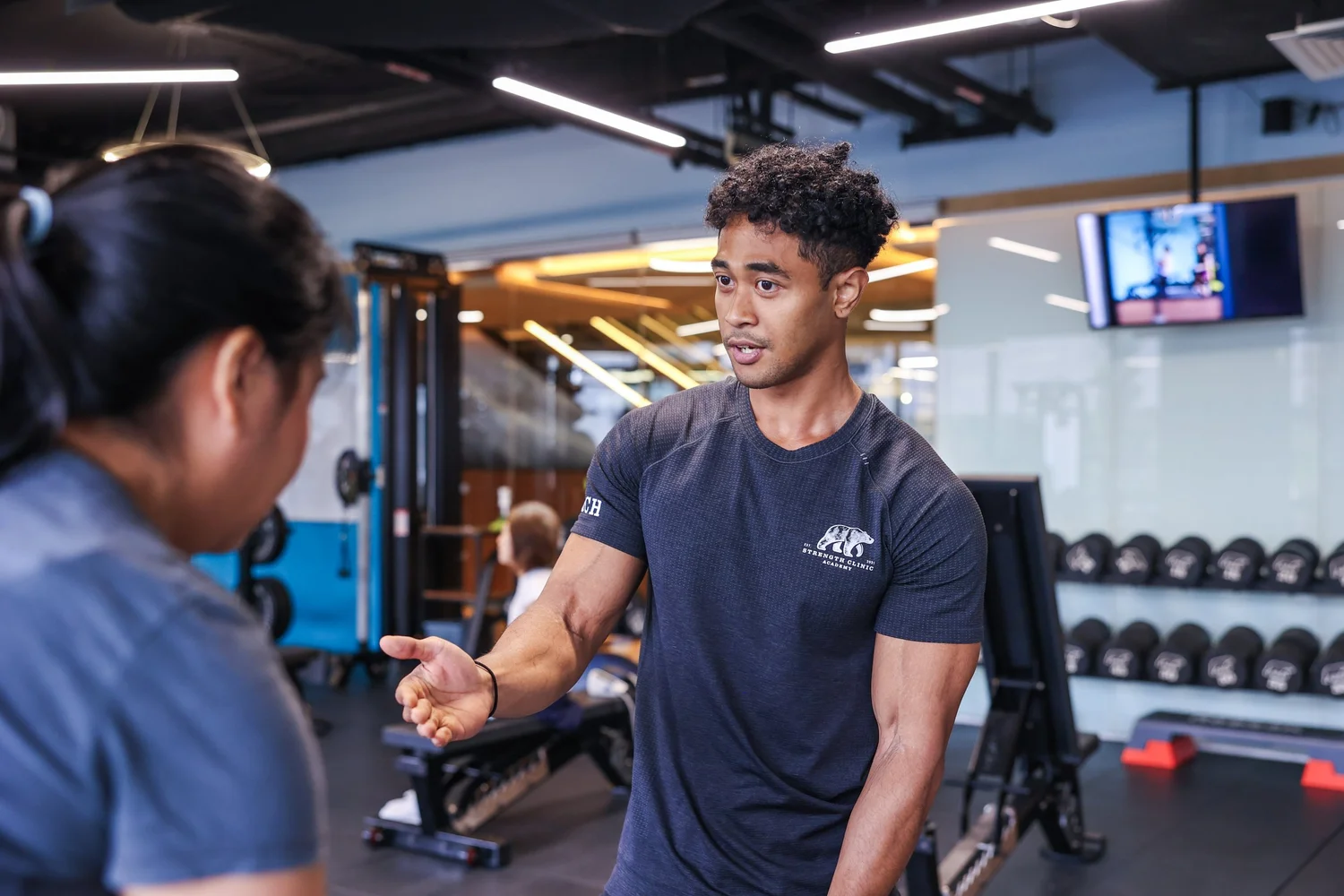
Train the stage they are in, not the age they are. A 9 year old and a 15 year old need very different programmes, and so do two children of the same age who are at different stages of growth.
In practice that means:
- Learning movement skills first: squatting, hinging, pushing, pulling, jumping and landing
- Using bodyweight and light loads before adding weight
- Keeping sessions supervised by a qualified coach
- Progressing when technique is solid, not when the calendar says so
Does strength training build confidence in kids?
Yes, it often does. A child who feels capable is more willing to try a new sport, join the team and keep going after a bad game. Stronger kids are more confident kids, and confident kids keep showing up.
How do you keep kids interested in training?
Keep it fun. Enjoyment is what keeps children in sport, and a perfect programme is useless if a child dreads it. Good youth coaching uses games, challenges and variety so the learning happens without the lecture. Train them right, keep it fun, and a love of movement can last a lifetime.
What should parents and coaches look for?
Look for a coach who understands growth and development, not just adult training.
- A programme that teaches technique before load
- Sessions that stay enjoyable
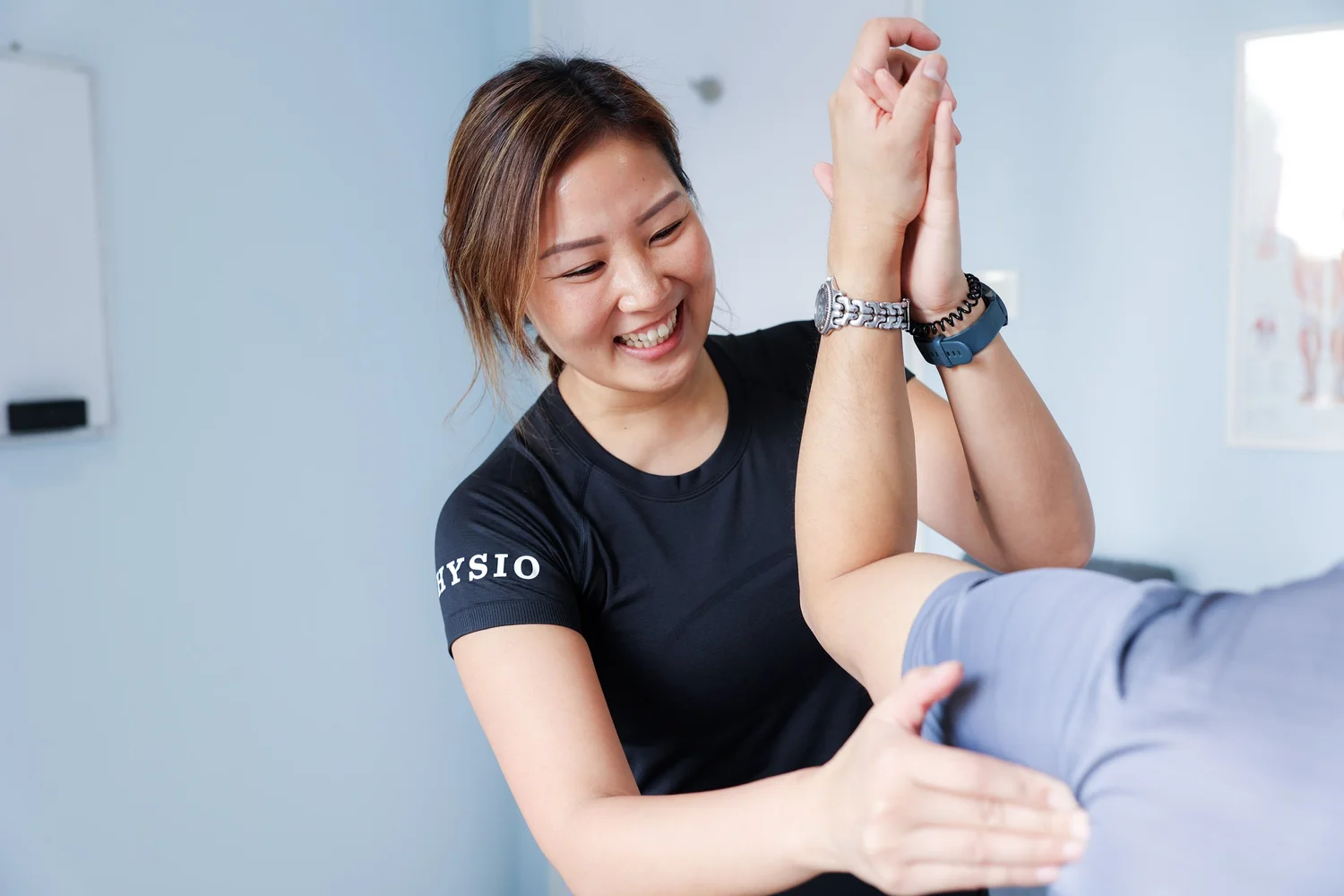
- A physiotherapist's input if your child has pain, a recurring niggle or a past injury
Strength Clinic Academy (SCA) is a physiotherapy and personal training clinic in Singapore with locations at OUE Downtown and COMO Orchard. Youth athlete development is part of our personal training, and our physiotherapists can help when pain or injury gets in the way.
Key takeaways
- Strength is the foundation for speed, power and confidence in young athletes.
- Train the stage a child is in, not the age they are.
- Teach movement skills first, then add load once technique is solid.
- Keep sessions fun, because enjoyment is what keeps kids in sport.
Frequently asked questions
Is strength training safe for kids?
Yes, when it is supervised, age-appropriate and focused on technique. Major sports medicine and strength and conditioning bodies support it for children. What to avoid is heavy loading before a child is ready.
What age can kids start strength training?
There is no single age. Readiness depends on maturity, the ability to follow instructions and technique. Start with bodyweight movement skills and let a qualified coach guide progression.
How do I keep my child interested in training?
Keep sessions playful and varied, use games and small challenges, and focus on what they can do rather than how they compare. Enjoyment is what keeps children in sport.
Does strength training stunt growth in children?
There is no evidence that supervised, age-appropriate strength training stunts growth. The risk comes from poor technique, excessive loading and no supervision, which is why coaching quality matters. [CONFIRM: add a citation link, for example the NSCA position statement on youth resistance training]
Should my child see a physiotherapist before starting?
If your child has pain, a recurring niggle or a past injury, yes. A physiotherapist can assess movement and advise on a safe starting point. For red-flag symptoms such as severe pain, swelling or pain at night, see a doctor first.
Ready to get started? WhatsApp us on +65 8878 5539 or use the enquiry form.