
Why evidence-based physiotherapy matters for long-term health
The problem nobody talks about
You've been to physio before, right? Maybe it helped. Maybe it didn't. And here's the thing: that inconsistency isn't your fault. Not all physiotherapy is equal. Some clinics operate on outdated methods. Others rely too heavily on passive treatments that feel good in the moment but don't build lasting resilience.
The difference? Evidence.
When physiotherapy is grounded in research, outcomes improve dramatically. Patients recover faster, injuries don't bounce back, and most importantly, they actually stay healthy. Evidence-based care should be transformational. Outdated methods don't just slow recovery, they can delay it by months or keep you stuck in a cycle of re-injury.
Modern physiotherapy has fundamentally shifted. Instead of relying on guesswork and passive treatments, today's best clinics focus on load management, strength building and long-term resilience. Your body deserves more than guesswork, and frankly, the research proves it works.

What actually happens in evidence-based physiotherapy?
There's a massive shift happening in physiotherapy. The old model, where a therapist takes the lead on all, is being replaced by a smarter approach where you and your physio work together. It's not magic. It's methodology.
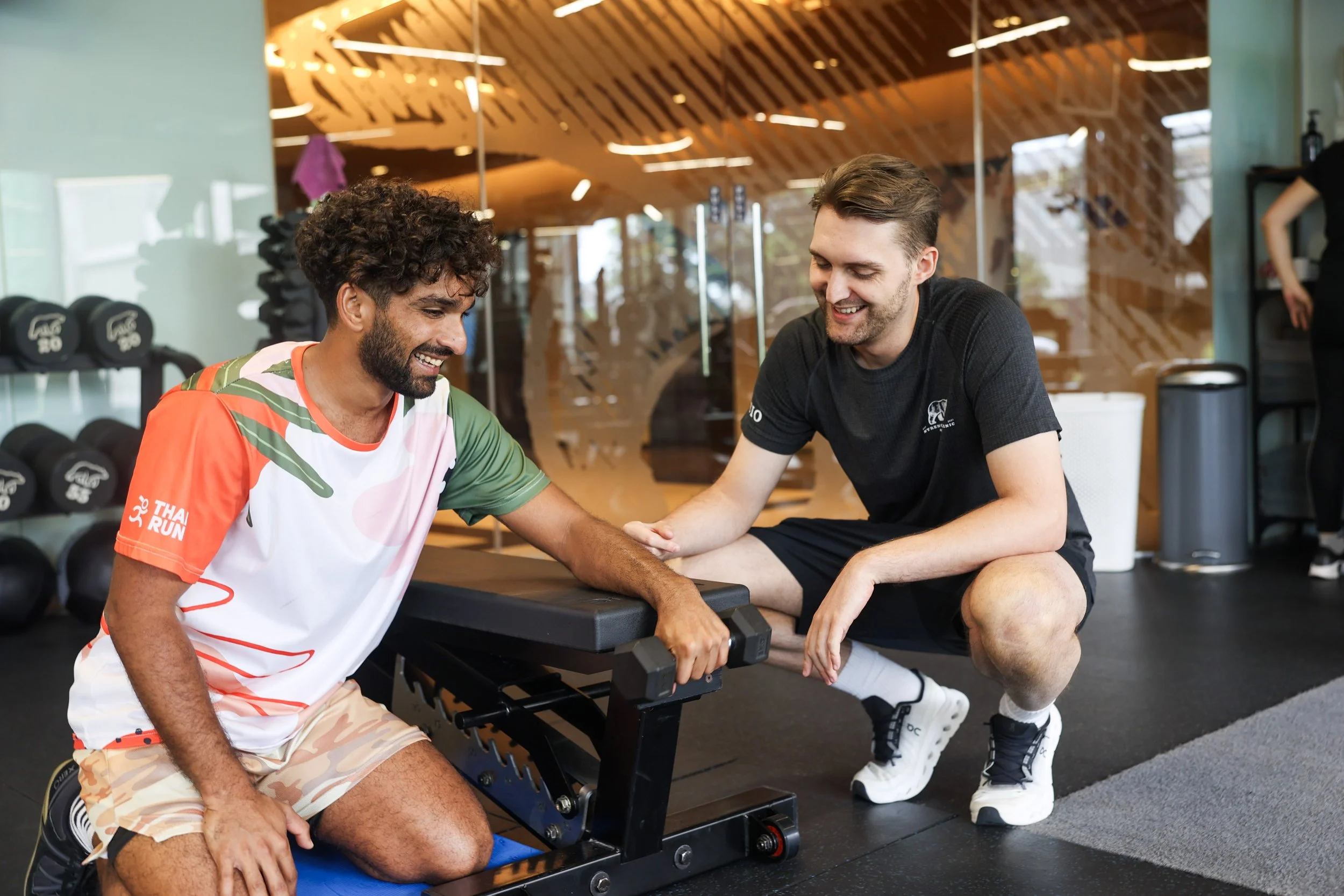
The foundation is active treatment, not passive. Your physio won't just massage the problem away. Instead, you'll move. You'll load your tissues gradually. You'll strengthen the structures that protect you. This approach has decades of research behind it, and the outcomes speak for themselves.
Tissues adapt through intelligent exposure to stress. Think of it like building muscle. You can't get stronger by avoiding the gym. Recovery works the same way. Your physio will guide you through a structured progression that challenges your body without overwhelming it. This progressive loading is the cornerstone of real recovery.
You'll also understand why your body hurts, why you got injured and why the plan actually works. Modern pain science shows that education reduces fear, improves outcomes, and prevents future injuries. When you understand the mechanism, recovery becomes collaborative rather than mysterious.
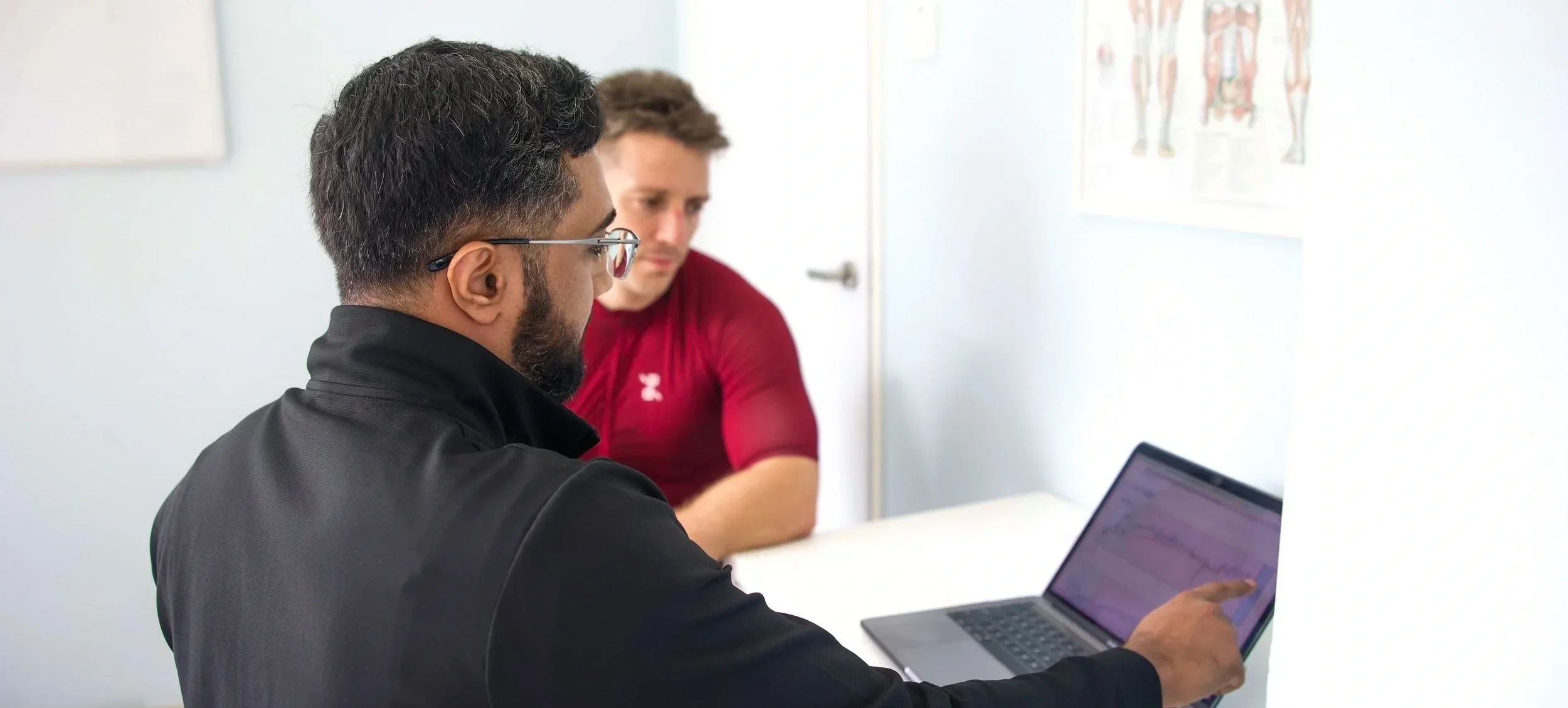
Finally, instead of vague progress, you're tracking measurable improvements: strength numbers, range of motion, pain levels. This keeps you and your physio aligned and gives you proof that the plan is working.
The myths that we need to move away from
There are beliefs in healthcare that simply don't hold up anymore.
"Rest is best" was the old standard, but complete rest actually accelerates deconditioning. What works is active rest with intelligent movement. Your tissues need stimulus to heal properly.
"Pain always means damage." Pain is complex. Sometimes it's protective. Sometimes it's just your nervous system being overprotective. A skilled physio knows the difference and treats accordingly.
"Manual therapy fixes everything." Hands-on work has a place, but if you're not doing the strengthening work afterward, you're back to square one. That temporary relief fades because you haven't built the resilience needed to stay healthy.
Warning signs you need evidence-based care
Not all pain is the same. Not all recovery timelines are normal. There are specific patterns that should tell you something's off.
No progress after 3–4 weeks of consistent effort — something needs to change.
The same injury keeps recurring — your treatment probably wasn't addressing the root cause.
Pain bounces back immediately after treatment — passive-only treatment is a temporary fix, not real recovery.
Your physio can't clearly explain the next 4–6 weeks — effective physio has structure. If that clarity is missing, get a second opinion.
The bottom line: effective physiotherapy builds measurable progress toward a specific goal.
How evidence-based physiotherapy actually helps you
The process starts with real assessment…not just moving your leg around and asking "does this hurt?", but validated tests that identify specific dysfunctions. A good physio will find the weak links in your chain.
From there, your programme is built on multiple pillars working together:
Strength protocols — weakness is often the root cause. Your physio identifies which muscles aren't doing their job, then builds them back systematically.
Mobility and movement patterns — sometimes pain comes from how you move, not what's wrong with you. Correcting these patterns prevents re-injury far better than treating pain alone.
Load management — gradually increasing activity without triggering pain, training your body to handle stress safely.
Pain science education — understanding your nervous system's role in pain reduces fear and accelerates recovery.
Return-to-sport criteria — before you go back to activity, you meet specific strength, power, and movement benchmarks. It's measurable readiness, not just "feel better".
What you can do right now
You don't need permission to start moving smarter.
Stay active with light movement, walking, and gentle stretching. Stagnation is your enemy.
Begin gentle loading — gradually expose the injured area to stress, starting small and progressing weekly.
Track what works — keep notes on pain levels, what movements feel good, and what makes it worse. This data is useful when you see a physio.
Avoid passive-only approaches — find a clinic where you'll do the work, because that's where real recovery happens.
The mistakes that steal months of recovery
Relying on outdated treatments. Passive modalities — ultrasound, heat, passive stretching — feel nice but don't build resilience. If your physio isn't prescribing strength work, get a second opinion.
Avoiding strength work. Pain will persist until you build stability through smart loading. Pain isn't always a warning — sometimes it's just discomfort during recovery.
No structured plan. Real recovery has milestones — weeks 1–2 (pain management), weeks 3–4 (gentle loading), weeks 5–8 (progressive strength), week 9+ (return to sport). If your physio can't map this out, that's a problem.
Inconsistency. One session a week won't cut it. Real recovery requires daily practice, not just showing up for appointments.
Timeline to real recovery
How long until you're actually better? It depends on several factors. The type of injury, your starting point, your consistency with the programme, and your training background.
With evidence-based active rehab, most people see significant improvement in 4–6 weeks. Full recovery typically takes 8–12 weeks, depending on the condition. Compare that to passive-only approaches that can drag on for months without addressing the root issue.
The faster path is straightforward: commit to your programme, show up consistently, do your home exercises, and progress intelligently. Your physio will give you the blueprint, but you're the one who builds the house.
When to stop waiting and see a physiotherapist
Not every ache needs professional care. But some do.
Pain lasting longer than two weeks without improvement
The same injury recurring multiple times
No idea what caused the problem or how to fix it
Pain interfering with daily activities or sport
Recovery slower than expected
Don't wait for it to become chronic. The earlier you get good intervention, the faster you recover. Those first few weeks are critical.
How SCA approaches evidence-based care
We don't guess. We measure.
The process starts with a comprehensive assessment using validated testing. We develop diagnosis-specific, evidence-based protocols tailored to your condition, a progressive loading plan designed for your tissues and your situation, not a generic template.
We track progress regularly and adjust the plan as needed. Recovery is dynamic, and your programme should evolve with you. We also integrate with other care providers, strength coaches, doctors, personal trainers, etc. Because your recovery doesn't happen in isolation.
Throughout the process, we educate you so you understand what's happening and why the plan works.
The result: faster recovery, fewer re-injuries and long-term resilience.
Strength Clinic Academy offers evidence-based physiotherapy across two locations in Singapore — OUE Downtown, 6A Shenton Way, #03-06 and COMO Orchard, 30 Bideford Road, Level 4.
What's next?
You have two choices.
Hope the pain goes away on its own. Avoid movement. Stress about re-injury. Watch recovery drag on.
Or get a professional assessment from someone who uses evidence-based methods. Build real strength. Understand your body. Return to activity with confidence.
Your body will adapt to whatever you ask of it. The question is: will you ask intelligently?
Book an evidence-based physiotherapy assessment → WhatsApp +65 8878 5539 | info@strengthclinicacademy.com
Still not sure if physio is right for you? Chat with us. We'll assess your situation and tell you honestly whether evidence-based physiotherapy can help.