
How VO2, RMR and Lactate Testing Improve Your Training
You can train hard for months and still not know if you're training right. Too easy and you plateau. Too hard and you burn out. Metabolic screening replaces the guesswork with data from your own body.
Quick answer: Metabolic screening measures how your body uses energy at rest and during exercise. At Strength Clinic Academy, it can include VO2 max, resting metabolic rate (RMR), blood lactate, lung spirometry, grip strength, VALD strength and power testing, and movement screening. The results set your personal training zones, calorie needs and recovery plan, so every session counts. Testing is available at OUE Downtown in Singapore's CBD.
What is metabolic screening?
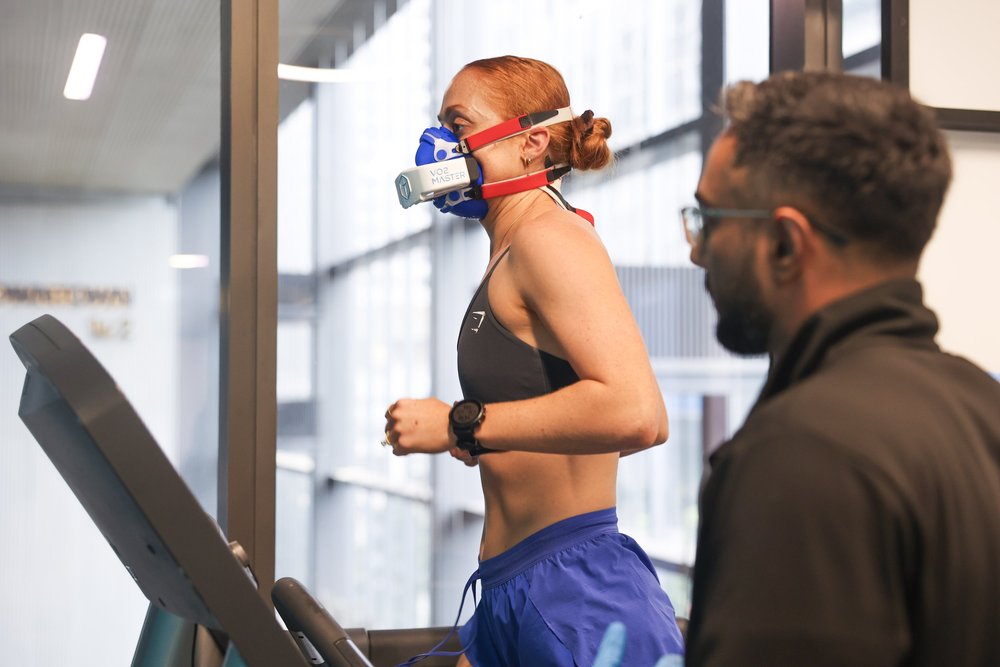
Metabolic screening analyses how your body produces and uses energy. It shows how efficiently you burn calories, whether you're fuelling more from fat or carbohydrate, and the point where your body shifts from comfortable aerobic work to harder anaerobic effort.
Those numbers become your training zones, your nutrition targets and your recovery plan. Whether your goal is performance, weight management or long-term health, you train for your physiology, not an average.
The tests at a glance
| Test | What it measures | Best for |
|---|---|---|
| VO2 max | Your maximum aerobic capacity | Fitness, endurance, longevity |
| Resting metabolic rate | Calories you burn at rest | Nutrition and weight management |
| Blood lactate | Your lactate threshold and training zones | Endurance, team sport, Hyrox |
| Lung spirometry | How much air you move, and how fast | Breathing and respiratory health |
| Grip strength | Hand and forearm force | Overall strength and healthy ageing |
| VALD ForceDecks | Force, power and left-right balance | Power, injury prevention, return to sport |
| VALD Dynamo | Strength of specific muscles and joint range | Rehab and targeted strength |
| Movement screening | Quality of fundamental movements | Injury prevention and programme design |
1. VO2 max testing
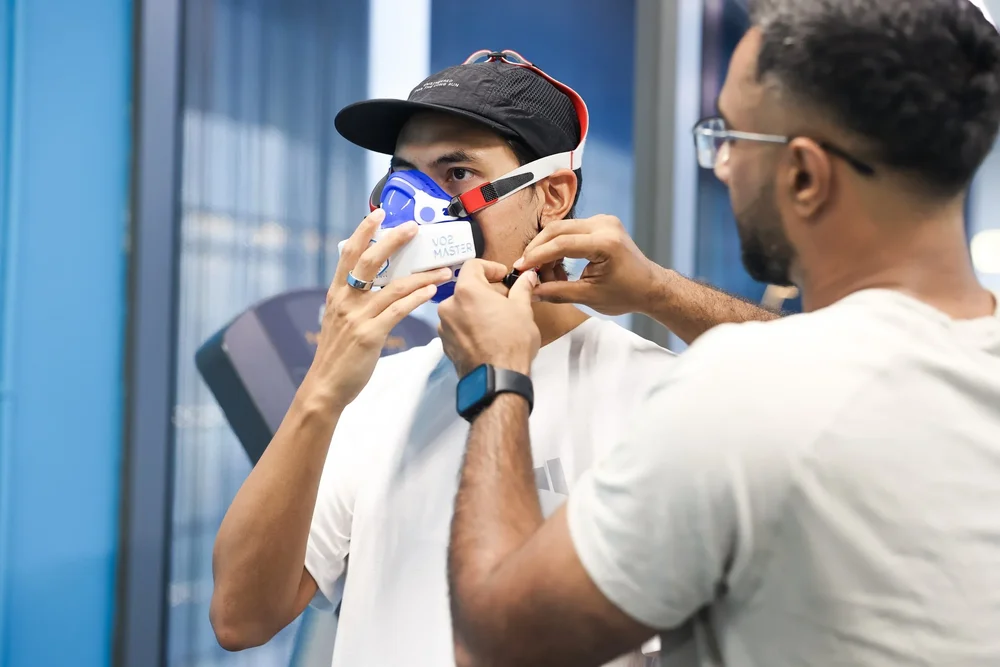
VO2 max is the maximum amount of oxygen your body can use during intense exercise. It's one of the strongest indicators of cardiovascular fitness and long-term health. Think of it as your oxygen efficiency score: how well your body turns breath into power.
What it tells you
- Your training zones, from Zone 2 to threshold and VO2 intervals, so you train at the right intensity.
- A benchmark to track progress and compare against norms for your age and sex.
- Recovery signals. Changes over time can flag overtraining or under-recovery.
- A longevity marker. Higher cardiorespiratory fitness is strongly linked to a lower risk of death from all causes.
Best for: runners, cyclists, triathletes, busy professionals wanting more energy, and anyone focused on long-term health.
2. Resting metabolic rate (RMR) testing

Your RMR is the number of calories your body burns at rest. It's the foundation of every nutrition plan. Instead of relying on an online calculator, the test measures your actual baseline.
What it tells you
- Your real calorie needs, so you can fuel for fat loss, muscle gain or steady weight.
- Whether you're under- or over-fuelling. Under-fuelling can lead to fatigue and poor recovery. Over-fuelling can lead to unwanted weight gain.
- A baseline to track over time. RMR shifts with age, training and body composition, so your plan can adapt with you.
Best for: anyone managing weight, building muscle, or struggling with energy through the workday.
3. Blood lactate testing

Blood lactate testing measures how your body produces and clears lactate as exercise gets harder. It identifies your lactate threshold: the point where fatigue starts to build quickly and performance begins to drop.
What it tells you
- Precise training intensities to build aerobic capacity without burning out.
- How well you recover and adapt, showing whether you're progressing, plateauing or overreaching.
- Your energy profile, whether you're more aerobically or anaerobically dominant. Valuable for endurance events, team sports and hybrid races like Hyrox.
Best for: endurance athletes, team sport players, Hyrox competitors and anyone training for an event.
4. Lung spirometry
Spirometry measures how much air you can breathe in and out, and how quickly. It gives a clear snapshot of how well your lungs support your energy, training and recovery.
Key measures
- FVC (forced vital capacity): the total air you can breathe out after a deep breath.
- FEV1 (forced expiratory volume in one second): how much air you can breathe out in the first second.
- FEV1/FVC ratio: helps show whether airflow is restricted or obstructed.
Spirometry can flag patterns linked to conditions such as asthma or exercise-induced breathing problems. If anything unusual shows up, we'll recommend you follow up with a doctor.
Best for: endurance athletes, anyone with breathing concerns, and clients wanting a full health picture.
5. Grip strength testing
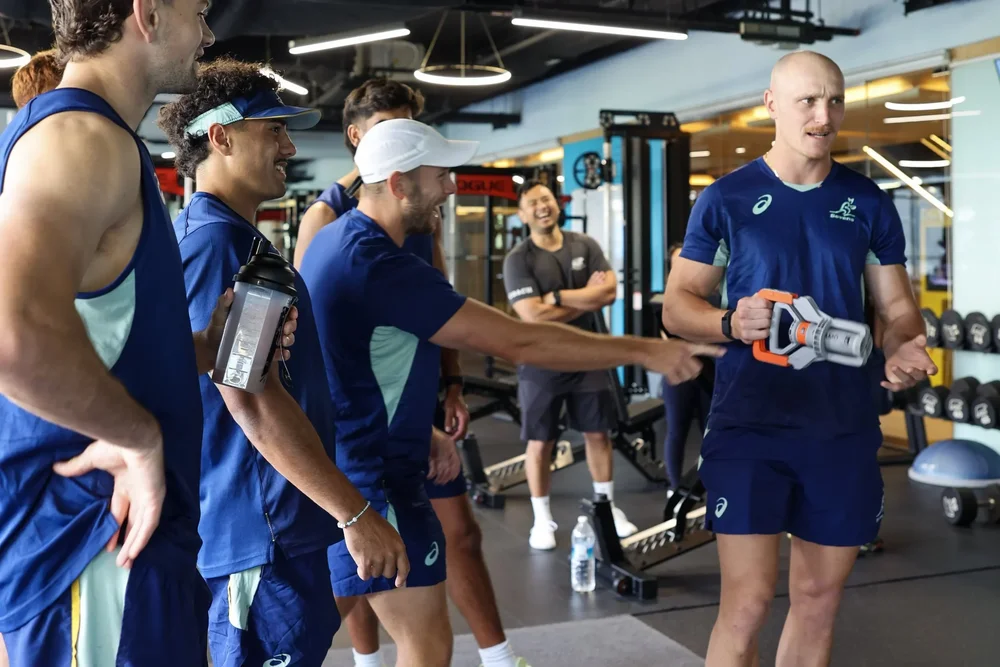
Grip strength measures how much force your hands can produce. It's simple, quick and surprisingly telling. Research links stronger grip to better mobility, independence and a lower risk of early death.
What we measure
- Absolute grip strength, in kilograms.
- Relative grip strength, adjusted for body weight.
- Left-right comparison, to spot imbalances.
Best for: healthy ageing, general strength, and tracking recovery and readiness.
6. VALD ForceDecks testing
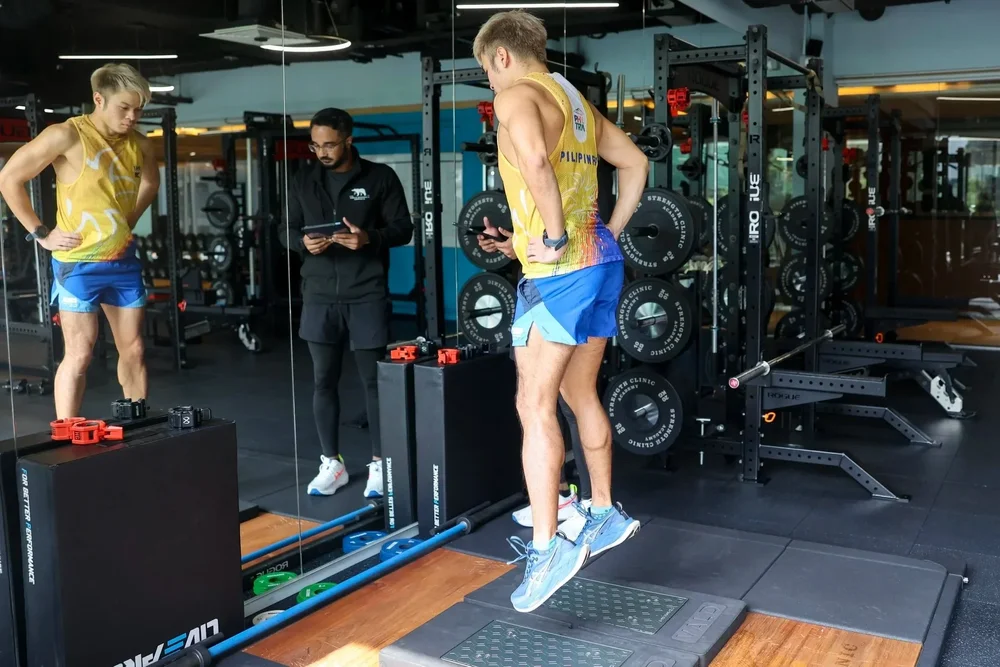
VALD ForceDecks are dual force plates that measure the forces you produce during squats, jumps and holds. They show how much force you produce, how fast, and whether both sides are working equally.
What it tells you
- Power and rate of force development: how quickly you can produce force.
- Asymmetries between left and right when loading, landing and pushing.
- Movement strategy: how you absorb and transfer force, to refine technique and programming.
Why power matters: muscle power declines faster than strength as we age, and lower power is linked to reduced mobility and independence. The good news is that power is highly trainable, and ForceDecks give us a clear baseline to build from.
Best for: athletes, return to sport after injury, and adults over 40 focused on staying strong and independent.
7. VALD Dynamo testing
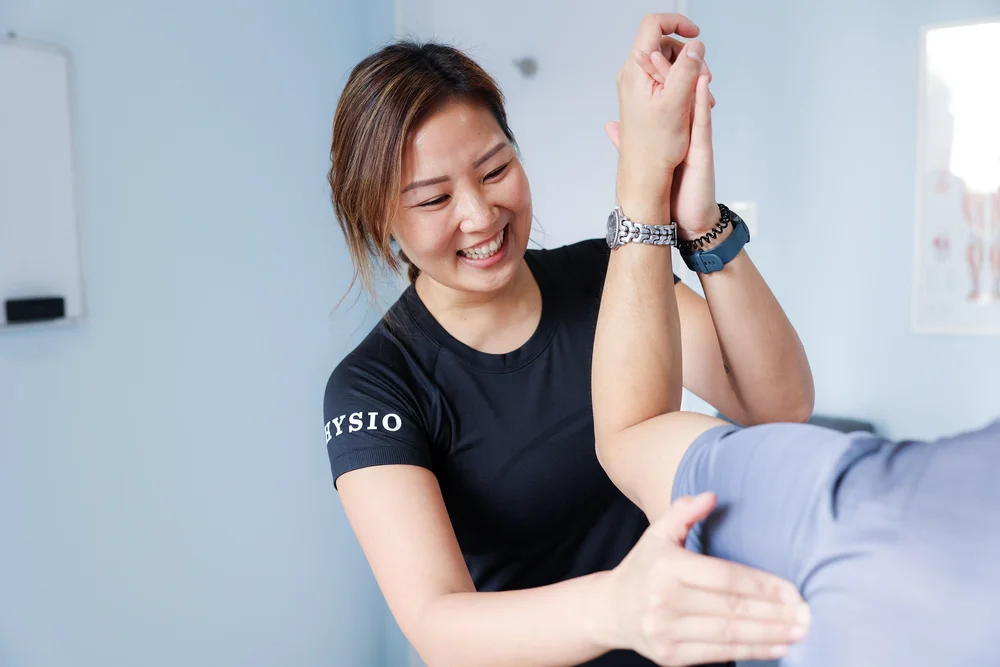
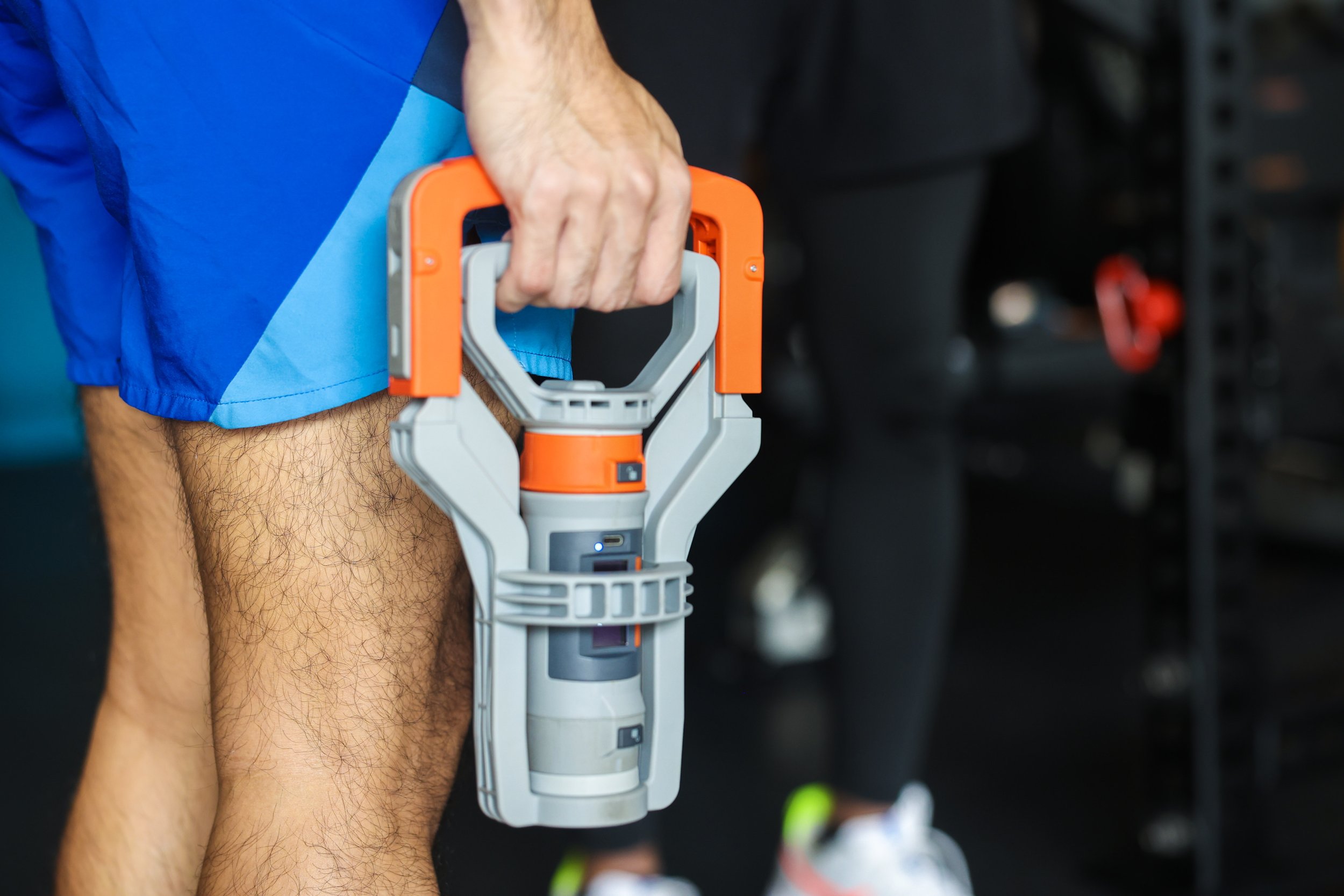
VALD Dynamo is a handheld dynamometer that measures the strength of specific muscles and the range of motion at individual joints. It picks up subtle weaknesses that general strength tests can miss.
What it tells you
- Isolated muscle strength, to find and fix specific weak links.
- Joint range of motion and movement quality in different positions.
- Side-to-side differences tracked over time, which is especially useful after injury and for return-to-play decisions.
ForceDecks and Dynamo together give a complete strength profile: whole-body power from ForceDecks, and muscle-by-muscle detail from Dynamo. For rehab clients, that means safe, measurable progress. For performance clients, it means precise programming and clear criteria for returning to sport.
Best for: rehab and post-surgery clients, athletes, and anyone with a recurring niggle.
8. Individualised movement screening
Our movement screening looks at how you move through fundamental patterns such as squatting, lunging, reaching and rotating. It identifies stiffness, imbalances and compensations that may limit performance or increase injury risk.
What it tells you
- Mobility and stability at each joint.
- Coordination and control through key movements.
- Left-right imbalances and compensations.
- Movements that trigger pain, so they can be addressed with your physiotherapist.
Best for: everyone starting a new programme, and anyone wanting to move better and stay injury-free.
What the research says
Fitness predicts lifespan. In a study of over 120,000 adults, higher cardiorespiratory fitness was linked to lower all-cause mortality, with no upper limit of benefit.
Mandsager et al., JAMA Network Open, 2018
Grip strength matters too. In a study of nearly 140,000 adults across 17 countries, lower grip strength was linked to a higher risk of death from all causes and cardiovascular disease.
Leong et al., The Lancet, 2015
Who is metabolic screening for?
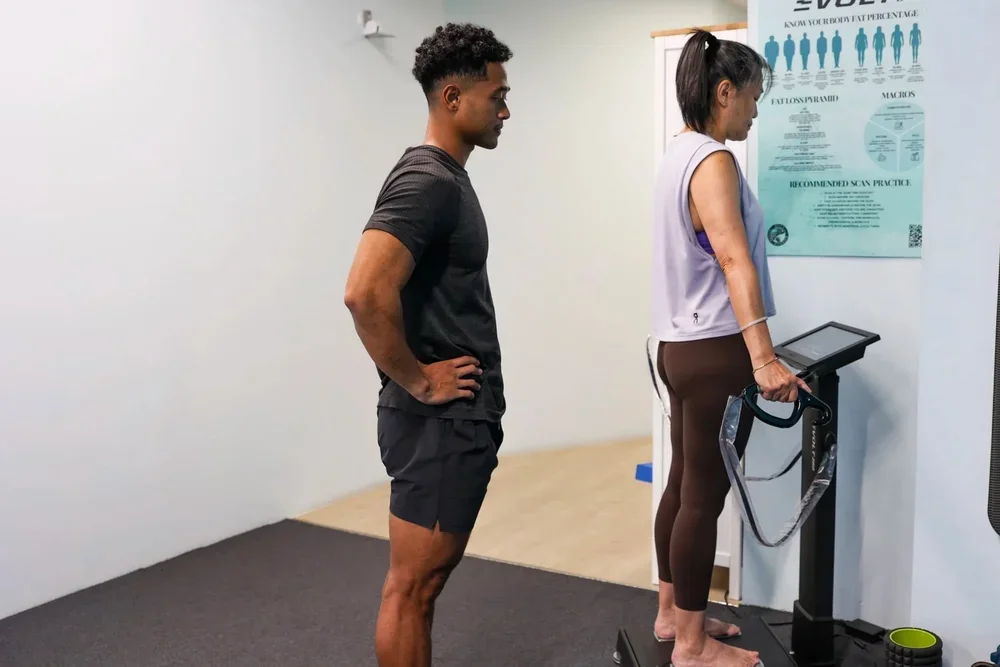

Runners, cyclists, triathletes, team sport and Hyrox athletes wanting precise training zones.
People who want more energy, better recovery and training that fits a demanding schedule.
Anyone focused on weight, metabolic health and staying strong as they age.
Metabolic screening is offered in two tiers. Essential gives you a clear baseline. Elite is customisable, with real-time testing for deeper insight. Our exercise physiologists and coaches turn your results into a clear plan for training, recovery and nutrition.
Try it with the Experience Pack
S$388
Usually S$776. Save 50%. For first-time clients.
Includes a 30-minute health assessment, three 60-minute personal training sessions, and your choice of a metabolic review (30 min), nutrition consultation (45 min) or physiotherapy session (30 min).
Frequently asked questions
What is metabolic screening?
Metabolic screening measures how your body uses energy at rest and during exercise, including VO2 max, resting metabolic rate and lactate threshold. The results set personal training zones, calorie needs and recovery plans.
Where can I get a VO2 max test in Singapore?
Strength Clinic Academy offers VO2 max testing at OUE Downtown, 6A Shenton Way, #03-06, Singapore 068815, as part of its metabolic screening.
What's the difference between VO2 max and lactate threshold?
VO2 max is your maximum aerobic capacity, your ceiling. Lactate threshold is the intensity where fatigue starts to build quickly. Together they show how big your engine is and how much of it you can use for longer efforts.
Why test my resting metabolic rate instead of using a calculator?
Online calculators estimate RMR from averages. A test measures your actual baseline, so your calorie targets are based on your own body.
Who should get metabolic screening?
Endurance and team sport athletes, Hyrox competitors, busy professionals wanting more energy, and anyone focused on weight management, metabolic health or healthy ageing.
How often should I retest?
Your results change as your training, body composition and age change. Your coach will recommend when to retest so your plan keeps up with your progress.
Train for your physiology
Book metabolic screening at OUE Downtown and get a plan built on your own data.
WhatsApp +65 8878 5539 | Call 6904 9537 | See screening packages
Repair. Build. Perform. Strength, for life.
More reading: It's Not Just Your Diet. It's Your Muscle and Personal Trainer in the CBD.
Sources
- Mandsager K, et al. Association of cardiorespiratory fitness with long-term mortality among adults undergoing exercise treadmill testing. JAMA Netw Open. 2018;1(6):e183605.
- Leong DP, et al. Prognostic value of grip strength: findings from the Prospective Urban Rural Epidemiology (PURE) study. Lancet. 2015;386(9990):266-273.
- Reid KF, Fielding RA. Skeletal muscle power: a critical determinant of physical functioning in older adults. Exerc Sport Sci Rev. 2012;40(1):4-12.