
Physiotherapy in Singapore: how Strength Clinic Academy helps you recover, rebuild and stay resilient
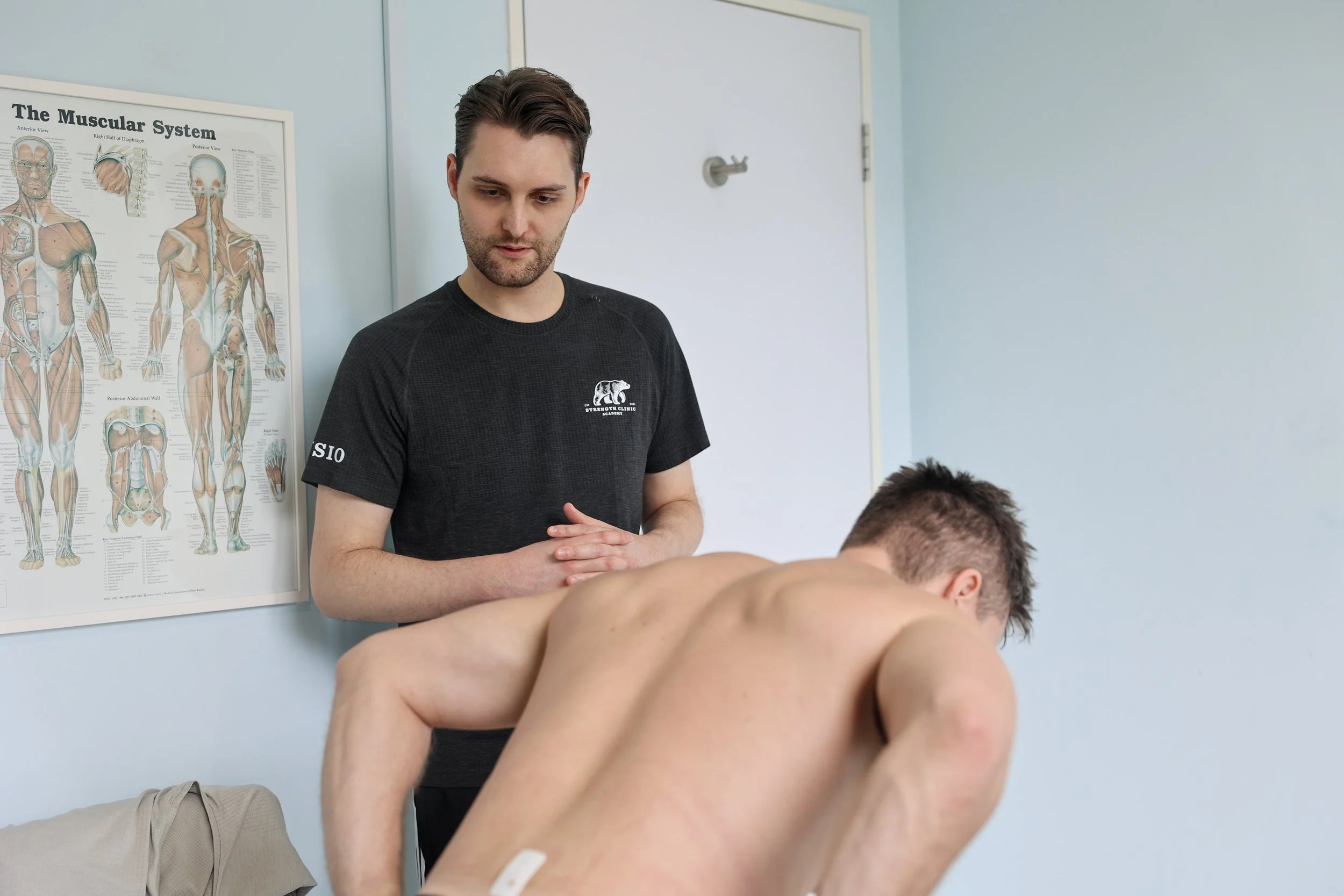
Most people wait too long before seeing a physiotherapist in Singapore.
What starts as a mild ache during training becomes stiffness during daily movement. Certain exercises begin to feel uncomfortable. Over time, the body starts compensating, shifting weight, avoiding specific movements, or quietly reducing activity altogether.
By the time most people seek help, they are not just dealing with pain. They are dealing with reduced confidence in their own body.
This is one of the biggest misconceptions about physiotherapy: that it is only necessary when something is seriously wrong. In reality, modern physiotherapy is less about reacting to pain and more about understanding how the body moves, adapts and responds to stress over time.
At Strength Clinic Academy, physiotherapy in Singapore is approached as part of a bigger system. One that integrates rehabilitation, strength training, movement analysis and objective data to help you recover properly and stay resilient long after symptoms settle.
Because pain is rarely just about pain.
Why pain develops in the first place
The body is constantly adapting to the demands placed on it.
Training volume, work stress, sleep quality, movement habits and recovery all influence how your tissues tolerate load. Muscles, tendons, joints and nerves are designed to handle stress, but only when that stress is appropriate for the body's current capacity.
A large percentage of pain does not come from structural damage. More often, symptoms develop because the body is exposed to more load than it can currently tolerate or recover from. Someone might suddenly increase running mileage, return to heavy lifting too soon, or continue training hard while under-recovered. Over time, tissues become irritated, movement patterns change and pain begins to appear.
This is also why scans and pain levels do not always tell the whole story. Two people can have nearly identical imaging results while experiencing completely different symptoms. Good physiotherapy looks at the broader picture: how the body moves, how it handles stress and what is actually driving the problem.
At our physiotherapy clinics at OUE Downtown, 6A Shenton Way and COMO Orchard, 30 Bideford Road, assessment goes beyond identifying where pain exists. The focus is on uncovering the movement restrictions, strength deficits, mobility limitations or load management issues contributing to the problem in the first place.
Why rest alone rarely solves the problem
One of the most common mistakes people make after developing pain is stopping all activity completely.
While reducing aggravating movements temporarily can be helpful, prolonged rest often creates additional problems. Muscles lose strength, tendons become less tolerant to load, joints stiffen and people gradually become more hesitant to move.
Another common mistake is relying solely on passive manual treatments. While these approaches can reduce symptoms temporarily, they rarely create lasting change on their own.
Sustainable recovery generally requires a combination of:
Improving movement quality
Rebuilding strength progressively
Managing load intelligently
Restoring confidence in movement over time
This is why modern physiotherapy has shifted heavily toward active rehabilitation rather than purely passive treatment. At Strength Clinic Academy, physiotherapy is integrated with strength and conditioning principles. Because long-term outcomes are rarely achieved through symptom management alone.
Signs you may need physiotherapy in Singapore
Not every ache or soreness requires treatment, especially for active individuals. However, certain symptoms are worth taking seriously.
Pain that persists for more than two weeks, worsens progressively with activity, or keeps returning despite rest usually signals something that needs to be properly addressed. The same applies to persistent stiffness, instability, weakness or reduced confidence during normal movement.
It is also easy to underestimate how much compensation patterns affect the rest of the body. A persistent ankle issue can alter running mechanics. Hip weakness may contribute to knee irritation. Shoulder limitations can influence posture and neck tension over time. Because the body functions as a connected system, unresolved issues in one area often begin affecting movement elsewhere.
There are also situations where prompt medical assessment is essential. Symptoms such as severe trauma, unexplained weight loss, night pain, progressive neurological symptoms, or loss of bowel and bladder control should always be assessed immediately.
If any of the above applies to you, our physiotherapy team across both Singapore locations, OUE Downtown and COMO Orchard, is available to help you get clarity on what is happening and what to do next.
What physiotherapy at Strength Clinic Academy actually looks like
Many people still associate physiotherapy with basic stretching routines or short-term pain relief. Modern physiotherapy is far more comprehensive than that.
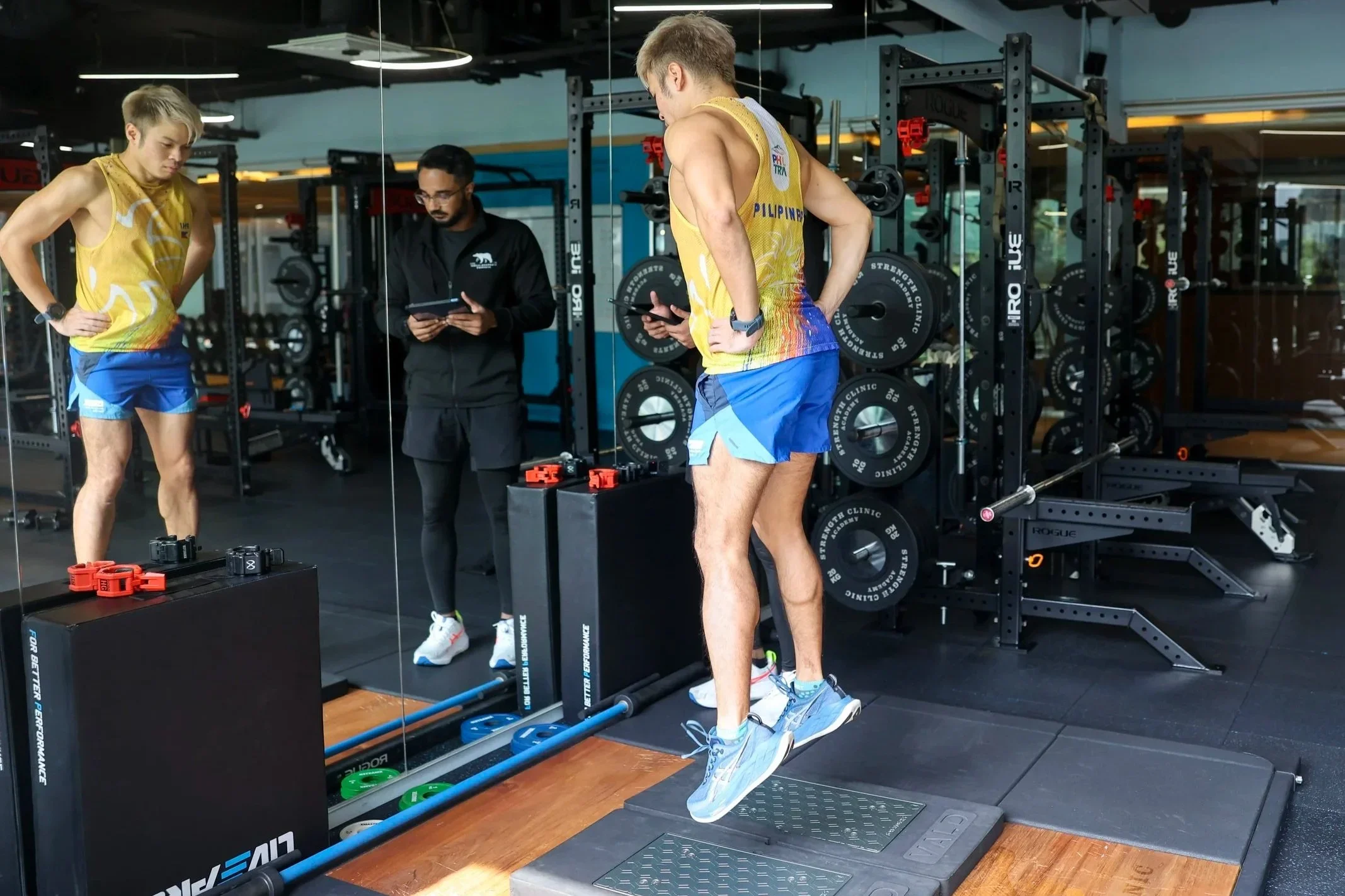
At SCA, the process starts with understanding you as a whole, not just your symptoms. This includes movement analysis, strength testing, mobility assessment, training history and objective data collection where appropriate.
Tools such as VALD performance testing allow our clinicians to establish measurable baselines and identify asymmetries, weaknesses or limitations that may not be obvious during everyday movement. This data-driven approach means treatment decisions are grounded in evidence, not guesswork.
Treatment itself varies depending on the individual and the condition. In some cases, manual therapy or joint mobilisation helps reduce stiffness or discomfort in the early stages. In others, the focus shifts more heavily toward progressive loading strategies, mobility work, tendon rehabilitation protocols or movement retraining.
The key principle throughout is progression. The body becomes more resilient when exposed to the right amount of stress at the right time. Effective physiotherapy guides that process safely and systematically.
The role of load management in recovery
One of the most overlooked concepts in rehabilitation is load management.
Many injuries do not come from a single incident. They develop because the body's workload exceeds its ability to recover and adapt gradually, through training intensity, repetitive movement, poor recovery practices, or sudden spikes in activity.
Load management is not about avoiding movement entirely. It is about adjusting variables intelligently so tissues can recover while still maintaining conditioning and function.
For active individuals, this is especially important. With the right approach, rehabilitation does not mean stopping everything. It means modifying training intelligently so you can continue moving while your body recovers.
Recovery takes longer than most people expect
One reason people become frustrated during rehabilitation is that tissue recovery is rarely quick.
Different tissues adapt at different rates. Muscle injuries may recover relatively quickly, while tendon-related issues often require significantly more time and consistency. Joint irritation, mobility restrictions and chronic overload patterns can also vary considerably between individuals.
Recovery is further influenced by sleep, stress, nutrition, training habits and overall consistency with the rehabilitation programme.
This is why chasing quick fixes tends to produce temporary outcomes at best. Long-term improvement comes from gradually rebuilding tolerance and physical capacity, not from short-term symptom suppression.
At both our Singapore physiotherapy locations, the emphasis is placed on sustainable progress. That means being honest about timelines, setting realistic expectations and building a plan you can actually follow.
Building long-term resilience. Not just getting out of pain
Perhaps the biggest shift in modern physiotherapy is the recognition that recovery should not stop once pain decreases.
The real goal is helping people return to training, work, sport and daily movement with greater confidence and capacity than before. Not just getting back to where they were.
This is why Strength Clinic Academy integrates physiotherapy with strength training, performance testing and long-term programming. Rather than treating rehabilitation as something separate from performance, the process is designed to bridge both together.
For many clients, this means not only resolving symptoms, but also improving movement quality, strength, physical awareness and overall resilience going forward.
Pain management matters. But long-term physical capability matters just as much.
When to seek help
If pain is affecting your ability to train, move comfortably, or function normally on a consistent basis, it is worth getting assessed sooner rather than later.
The same applies if injuries keep recurring, or if certain movements feel increasingly limited, unstable or unreliable over time.
The longer compensation patterns persist, the harder they become to address.
Physiotherapy is most effective when it helps you understand not just what hurts, but why it developed and how to address it properly for the long term.
Physiotherapy in Singapore — two convenient locations
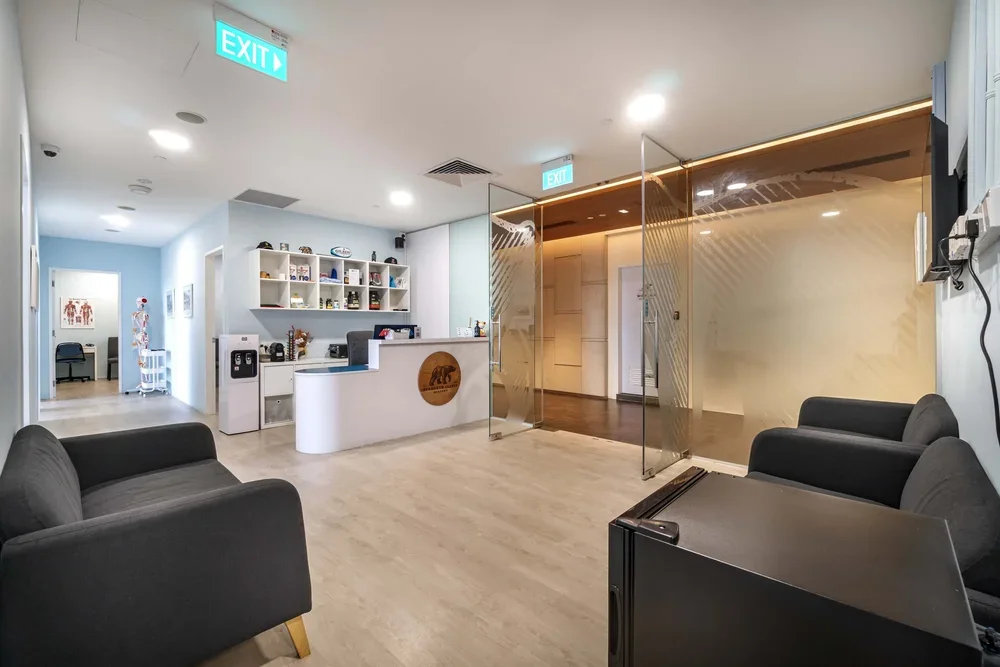
6A Shenton Way, #03-06
Singapore 068815
Physiotherapy + Personal Training + Performance Testing
All services

30 Bideford Road, Level 4
Singapore 229922
Physiotherapy only
Whether you are recovering from an injury, managing a recurring issue, or looking to address movement limitations before they become something more serious, our team is here to help.
We combine physiotherapy, strength training and objective performance data to help people move better, recover properly and build resilience that lasts.
Ready to get started?
Book a physiotherapy assessment at Strength Clinic Academy → WhatsApp +65 8878 5539 | info@strengthclinicacademy.com
Common questions about physiotherapy in Singapore
How long does a physiotherapy session last?
Most clients book 60-minute appointments. We also offer 30 and 45-minute options depending on your needs and stage of treatment.
Do I need a referral to see a physiotherapist in Singapore?
No referral is needed to book directly with Strength Clinic Academy at either location. However, if you are claiming on insurance, check with your provider whether a GP or specialist referral is required before your appointment.
What is the difference between physiotherapy and sports physiotherapy?
Sports physiotherapy focuses specifically on injury recovery and performance for active individuals, with emphasis on returning to full training capacity. At SCA, all physiotherapy is integrated with strength and conditioning principles — regardless of whether you are a competitive athlete or not.
How many physiotherapy sessions will I need?
This varies depending on the condition, its severity and individual factors such as training history and recovery habits. Your physiotherapist will outline a realistic plan following your initial assessment.
Where can I find physiotherapy in Singapore near me?
Strength Clinic Academy offers physiotherapy at two locations in Singapore — OUE Downtown at 6A Shenton Way (CBD / Tanjong Pagar area) and COMO Orchard at 30 Bideford Road (Orchard Road area). Both clinics offer direct booking with no referral required.
Is physiotherapy at SCA covered by insurance?
Coverage depends on your individual insurance plan and provider. We recommend checking with your insurer before your appointment to confirm whether a referral is required and what documentation they need for claims.