
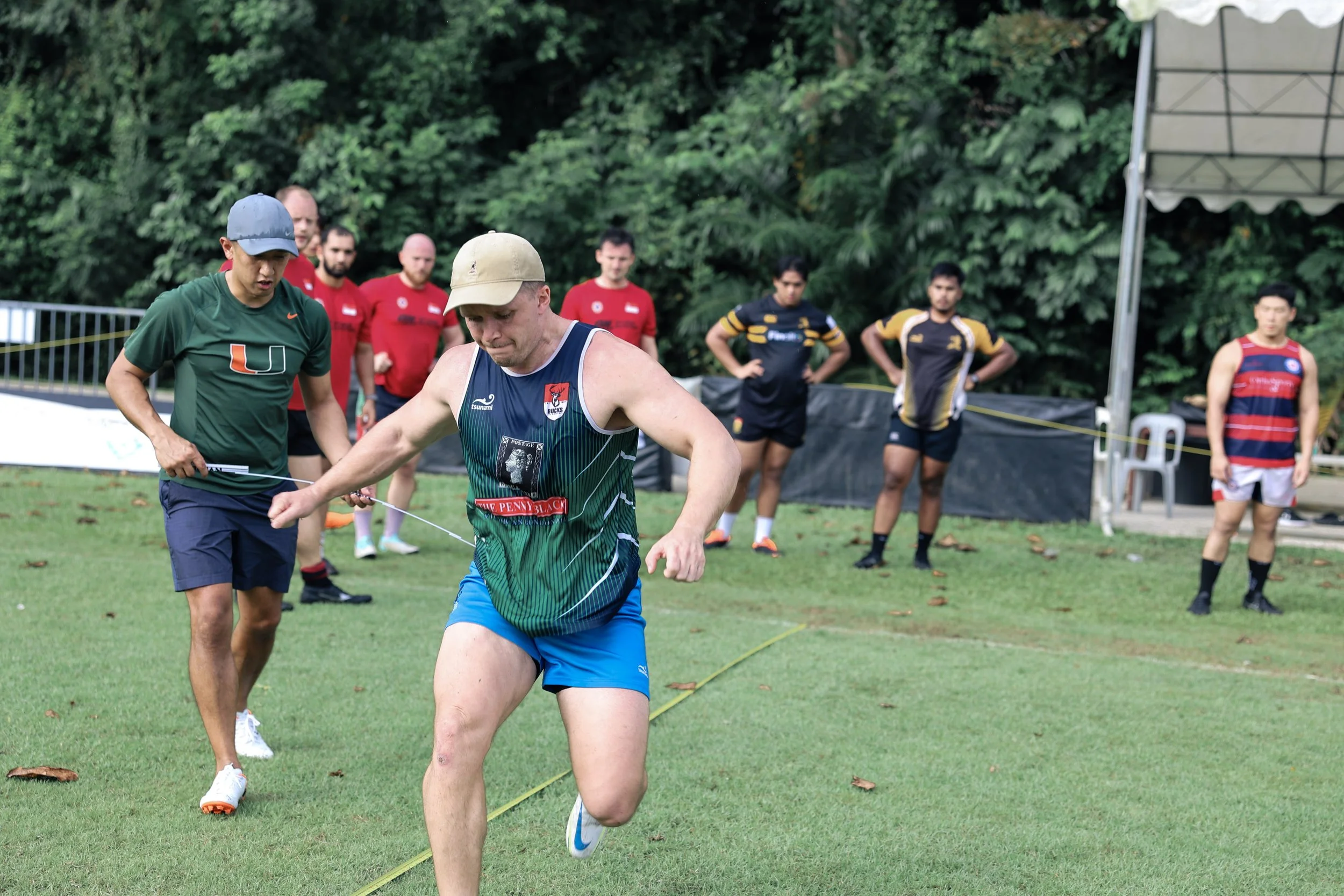
Whether you play rugby on weekends, compete in HYROX, train for a marathon, or turn out for netball or football every week, one thing is true across every sport: your body is your most important piece of equipment. And like any piece of equipment, it performs better when it is built properly, maintained consistently, and managed with precision.
The problem is that most athletes in Singapore, at every level, train without a coordinated system behind them. They train hard. They get injured. They rest. They come back. They get injured again. The cycle continues, and performance either stagnates or slowly erodes.
At Strength Clinic Academy, athlete development is not a single service. It is a complete, coordinated system that brings together physiotherapy, strength and conditioning, metabolic science, and nutrition to support athletes from pre-season through competition, recovery, and long-term career longevity. Whether you are a recreational competitor chasing a personal best or a team sport athlete who wants to stay on the field and off the treatment table, the approach is the same: assess thoroughly, programme intelligently, and manage load with precision.
This guide covers everything you need to know about athlete development, what it actually means, what it involves, how it applies to your sport, and what separates athletes who consistently improve from those who consistently break down.
What Is Athlete Development, and Why Does It Matter?
Athlete development is the structured, long-term process of improving an individual's physical qualities, movement competency, sport-specific fitness, and resilience to injury in a way that is specific to the demands of their sport and sustainable across a career.
The term gets used loosely. In most commercial gyms, athlete development means harder training. More volume. More intensity. A programme that pushes you until you are exhausted and calls that progress.
That is not what athlete development is.
True athlete development requires a clear understanding of what your sport actually demands of you physically, where your body currently sits relative to those demands, and what the most efficient pathway is to close that gap without accumulating unnecessary injury risk along the way.
It requires asking the right questions before prescribing anything:
What are the primary physical qualities required in your sport: power, endurance, speed, strength, agility, or some combination?
Where are your movement, strength, and capacity deficits relative to those demands?
What does your injury history tell us about your body's recurring weak points and compensation patterns?
What phase of your season or training cycle are you currently in?
How much training capacity do you have, and how much recovery time does your lifestyle allow?
Without clear answers to these questions, a training programme is guesswork with effort attached. It may produce results for a while, but it will not produce consistent, long-term athletic development, and it will not protect you from the injuries that derail progress.
Who Benefits from Athlete Development at SCA?
Athlete development at Strength Clinic Academy is designed for a broad range of people. You do not need to be a professional or elite athlete to benefit from a structured, science-informed approach to your physical development. You need to be someone who takes their performance seriously and wants a higher standard of support than a general gym programme can provide.
Our athlete development system works for:
Rugby players at club and social level preparing for a season, managing the physical demands of contact sport, or returning from injury
Football players looking to improve their physical output, reduce injury risk, or come back from common football injuries like hamstring strains, ankle sprains, and knee problems
Netball players at all competitive levels, particularly those managing knee health, addressing ACL risk, or building the reactive strength and change-of-direction capacity central to the sport
Runners training for half marathons, marathons, trail races, or simply looking to run more consistently without the overuse injuries that interrupt so many training blocks
HYROX competitors managing the unique demands of a sport that sits at the intersection of strength, endurance, and functional fitness, and requires a training approach that addresses both energy systems simultaneously
Multi-sport athletes and active individuals who play several sports recreationally and want a physical foundation robust enough to support all of them without breaking down
If sport and physical performance matter to you, and you want to approach both with more structure, precision, and long-term thinking, athlete development at SCA is for you.
The Four Pillars of Athlete Development at Strength Clinic Academy
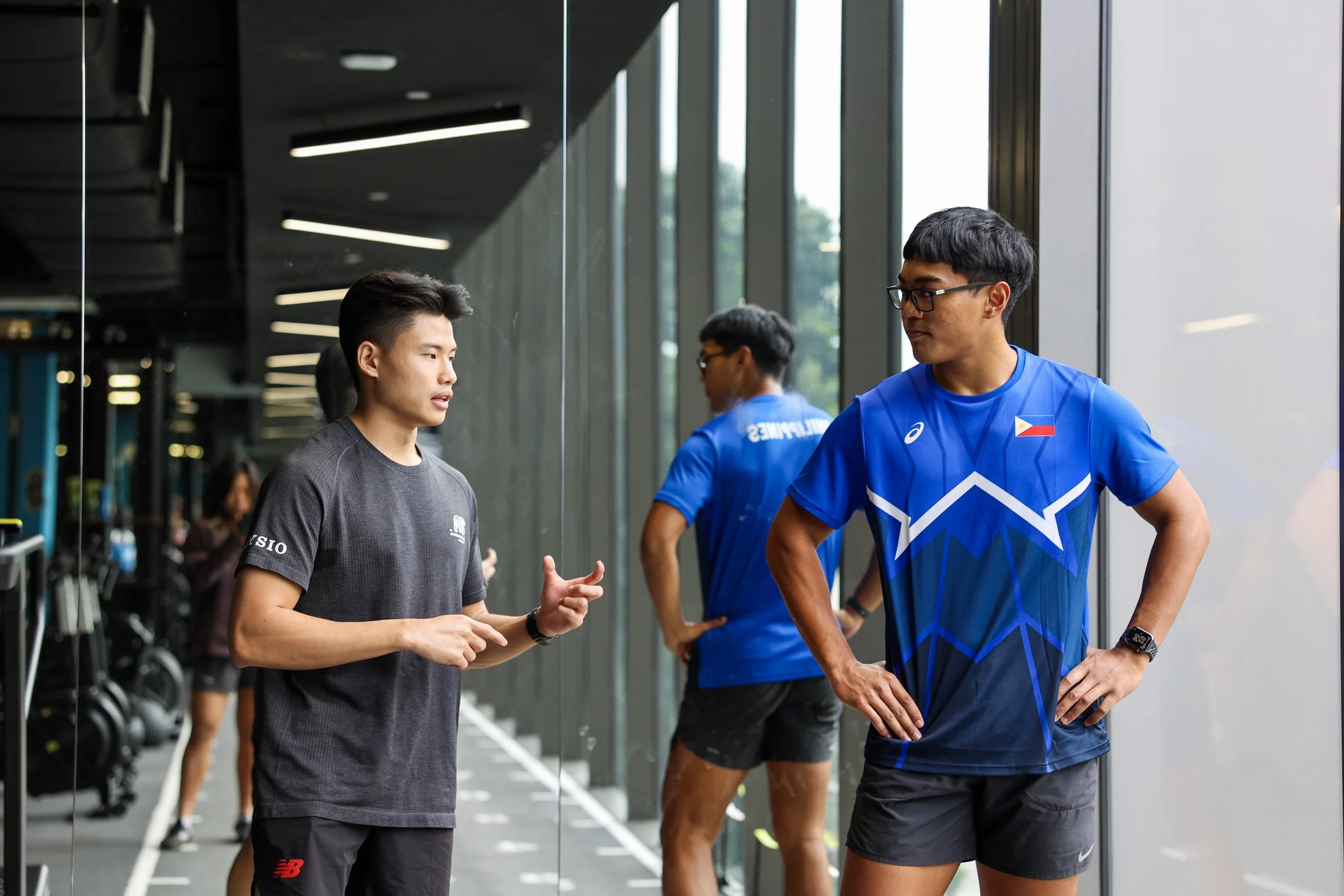
Pillar 1: Movement and Physical Assessment
Everything begins with assessment. Before any training programme is designed, our team conducts a thorough evaluation covering movement quality, strength symmetry, joint mobility, neuromuscular control, and any existing pain or dysfunction.
This assessment is not a formality. It is the foundation of everything that follows.
The assessment gives us three things: a clear baseline of where you are right now, a picture of what needs to be addressed before load is added, and the data to measure progress against over time. Without a baseline, you are training blind. You cannot objectively know whether your programme is working, whether you are improving, or whether a compensation pattern is quietly getting worse underneath the surface.
Loading a body that moves poorly does not improve the movement. It reinforces the dysfunction, adds fatigue on top of it, and accelerates the path toward injury.
A thorough movement assessment at SCA typically includes:
Functional movement screening to identify asymmetries, mobility restrictions, and stability deficits across the major movement patterns
Strength testing to establish baseline output and identify side-to-side imbalances that increase injury risk
Sport-specific movement analysis to identify the gaps between how you move and how your sport demands you move
Pain and injury history review to understand the patterns your body has developed and where vulnerabilities lie
Load and recovery assessment to understand your current training volume, stress levels, sleep quality, and readiness to train
Only once we have this full picture does programming begin.
Pillar 2: Strength and Conditioning
Structured, evidence-informed strength and conditioning forms the backbone of athletic performance at every level of sport. It is not an add-on to athletic development. It is central to it.
The research on this is unambiguous. Athletes who follow structured S&C programmes have lower injury rates, better performance outputs, and longer careers than those who do not. A 2017 meta-analysis published in the British Journal of Sports Medicine found that strength training reduced sports injuries to less than a third and overuse injuries by almost half.
But the key word is structured. A generic gym programme is not S&C. A collection of compound lifts performed without periodisation, without sport-specificity, and without progressive overload is not S&C. Strength and conditioning is a planned, periodised system designed around the specific physical demands of your sport and the specific physical profile of your body.
At SCA, S&C programming for athletes is built around the following principles:
Specificity. Every exercise in your programme is chosen because it develops a quality that transfers to your sport. This does not mean sport-simulation in the gym. It means targeting the underlying physical qualities (force production, reactive strength, aerobic capacity, muscular endurance) that your sport demands.
Periodisation. Training is structured in phases that progress logically: building a strength base, developing sport-specific power and capacity, peaking for competition, and then recovering and rebuilding. Training the same way year-round does not produce year-round improvement.
Progressive overload. The body adapts to the demands placed upon it. For adaptation to continue, those demands must progressively increase in a controlled, manageable way. Every training block should leave you more capable than the one before it.
Load management. Training stress and recovery must balance. Accumulated fatigue without adequate recovery does not build fitness. It builds injury risk.
Sport-specific S&C at SCA covers:
Rugby: Contact sport demands a particular kind of physical robustness. Neck strength, shoulder stability, hip and posterior chain power, and the capacity to sustain high-intensity output across 80 minutes under fatigue are all critical. S&C for rugby builds structural resilience first, then layered power and repeated sprint capacity on top of that foundation.
Football: Hamstring strength and resilience, hip stability, single-leg power, and the ability to decelerate and change direction under load are the core physical requirements. Football S&C addresses these qualities directly while managing the high cumulative running loads that make overuse injuries so common.
Netball: Reactive strength, landing mechanics, and the ability to decelerate explosively from multiple directions are the defining physical demands. Given the high incidence of ACL injuries in netball, particularly among female athletes, lower limb strength programming and landing pattern retraining are central to any netball-specific S&C plan.
Running: Running is a single-leg sport. Posterior chain strength, hip abductor function, ankle stability, and foot intrinsic strength are all performance and injury-prevention priorities. Most recreational runners undertrain these qualities and overtrain running volume, which is why overuse injuries are so common.
HYROX: HYROX requires athletes to be simultaneously strong and conditioned. The functional movements (sled pushes and pulls, farmers carries, burpee broad jumps, wall balls, ski erg, rowing) demand strength endurance. The running segments demand aerobic capacity. Programming for HYROX must develop both energy systems concurrently without one undermining the other.
Pillar 3: Physiotherapy and Injury Management
High-performance sport and injury risk exist on the same spectrum. The question is never whether you will face a physical setback. It is whether your body is robust enough to handle the loads you place on it, whether problems are caught early before they become serious, and whether you have the right team to manage the inevitable setbacks intelligently.
Most athletes in Singapore approach physiotherapy reactively. They train until something hurts badly enough to stop them, then they see a physiotherapist, then they return to training, then the cycle repeats. This approach is expensive, time-consuming, and largely avoidable.
The SCA physiotherapy model for athletes is proactive and integrated. Our physiotherapists work alongside your S&C programming to:
Identify and address niggles before they become injuries. A two-week niggle that is assessed and managed early is a two-week disruption to training. The same niggle ignored for two months is often a two-month injury.
Manage tissue load across the training cycle. Not all soreness and tightness needs treatment. But understanding what is normal training adaptation and what is tissue stress exceeding its capacity is a clinical skill. Our physiotherapists help you train through the discomfort that builds you while addressing the signals that indicate a problem.
Guide return-to-sport progressions after injury. Returning to full sport after injury is one of the highest-risk phases of an athletic career. Re-injury rates are significantly elevated in the weeks and months following return to sport when loading progressions are rushed or unsupervised. Our physiotherapists oversee structured, objective return-to-sport pathways that do not cut corners.
Provide hands-on treatment when needed. Manual therapy (joint mobilisation, soft tissue release, dry needling), targeted rehabilitation exercises, and load modification are all tools within our physiotherapy approach. Treatment is always targeted at the underlying cause, not just the symptom.
Common sports injuries managed at SCA include:
Hamstring strains (grades 1, 2, and 3) across football, running, and rugby
ACL injuries and post-operative ACL rehabilitation in netball and football
Patellofemoral pain and IT band syndrome in runners and cyclists
Shoulder injuries including rotator cuff pathology, AC joint sprains, and labral issues in rugby and overhead athletes
Ankle sprains and chronic ankle instability across all court and field sports
Shin splints, tibial stress reactions, and stress fractures in high-volume runners
Lower back pain related to training load, movement dysfunction, or disc pathology
Plantar fasciitis in runners and athletes with high cumulative foot loading
Pillar 4: Metabolic Screening and Sports Nutrition
Physical performance is inseparable from how your body produces, stores, and uses energy. For most athletes, training load and nutrition are managed on intuition rather than data, and that gap between what the body needs and what it receives is often the single biggest limiter on performance and recovery.
Metabolic screening at SCA provides objective physiological data that transforms how an athlete trains and fuels. A comprehensive metabolic assessment typically measures:
VO2 max and aerobic capacity. The maximum rate at which your body can consume and utilise oxygen during exercise. This is the ceiling of your aerobic engine and a primary predictor of endurance performance. Knowing your VO2 max allows your programme to target the training zones that will most efficiently improve it.
Ventilatory thresholds (VT1 and VT2). The exercise intensities at which your body shifts its primary energy pathway from fat oxidation toward carbohydrate. Understanding these thresholds allows training intensity to be prescribed with precision rather than guesswork. Most athletes train too hard on their easy days and not hard enough on their hard days because they do not know where these thresholds sit.
Fat oxidation and metabolic efficiency. How efficiently your body uses fat as a fuel source at various exercise intensities. For endurance athletes, improving fat oxidation reduces dependence on carbohydrate stores, delays fatigue, and improves performance across long efforts.
Resting metabolic rate. The number of calories your body requires at rest to maintain its basic functions. This data informs daily caloric targets and helps identify chronic under-fuelling, which is common among athletes managing weight alongside training load.
For HYROX and endurance athletes, metabolic screening data directly informs race-day fuelling strategies, in-training carbohydrate targets, and the training zone prescriptions that will produce the most efficient adaptations. For strength and power athletes in rugby, football, and netball, the data informs recovery nutrition, body composition management, and the fuelling strategies that support high-intensity training without chronic energy deficiency.
Nutrition support at SCA is evidence-informed and practical. We do not follow trends or sell protocols. We use your metabolic data and training load to help you fuel appropriately for the demands you are placing on your body.
Frequently Asked Questions About Athlete Development
What is athlete development? Athlete development is the structured process of systematically improving an athlete's physical qualities, movement competency, and sport-specific fitness through planned, evidence-informed training that accounts for the specific demands of their sport, their individual physical profile, and their stage of athletic development.
How long does athlete development take to show results? Most athletes notice measurable improvements in strength, movement quality, and sport-specific capacity within 8 to 12 weeks of consistent, structured training. The deeper adaptations, the ones that protect against injury and extend athletic careers, accumulate over months and training seasons. There is no shortcut to long-term athletic development, but a well-designed programme makes the process as efficient as possible.
Do I need to be a competitive athlete to benefit from athlete development at SCA? No. Athlete development principles apply to anyone who participates in sport or physical activity and wants to perform better, stay injury-free, and maintain their capacity to do what they love for longer. Many of our clients play sport recreationally, train for events like HYROX or marathons, or simply want a structured, science-informed approach to their physical health.
What is the difference between athlete development and general personal training? General personal training is primarily oriented toward fitness, body composition, and general health. Athlete development is oriented toward sport-specific performance, physical resilience, and injury prevention within the context of a particular sport's demands. At SCA, athlete development integrates physiotherapy, metabolic science, and sport-specific S&C in a coordinated system, which is meaningfully different from a standalone personal training relationship.
How does physiotherapy fit into athlete development? Physiotherapy is an integral component of athlete development, not a separate service you access when injured. Physiotherapists assess movement dysfunction and physical vulnerabilities, manage injury risk proactively, treat problems early before they become serious, and guide return-to-sport progressions after setbacks. Athletes who integrate physiotherapy into their training system spend less time injured and more time developing.
What sports do you work with at SCA? We work with athletes across rugby, football, netball, running, HYROX, and a wide range of other sports at both recreational and competitive levels. The underlying principles of athlete development apply across sports, while the specific programming is tailored to the demands of each.
Where is Strength Clinic Academy located? Strength Clinic Academy has two locations in Singapore: OUE Downtown Gallery in the CBD, and COMO Orchard. Both clinics offer the same comprehensive, personalised approach to athlete development.
How much does athlete development at SCA cost? Pricing depends on the services involved and the structure of your programme. Contact our team directly at OUE Downtown to discuss your goals, and we will recommend the most appropriate starting point.
Common Mistakes That Limit Athletic Development
Understanding what not to do is as important as understanding what to do. These are the most common patterns we see in athletes who plateau, break down repeatedly, or fail to reach their potential.
Training hard without training smart. Volume and intensity are tools. Used without structure, periodisation, and adequate recovery, they accumulate fatigue faster than they build fitness. Athletes who consistently train at high intensity without strategic variation plateau early, accumulate injury risk, and often burn out. More is not always better. Better is better.
Neglecting the off-season. The off-season is when physical qualities are built. In-season, the primary goal is maintaining the qualities you have developed while managing the cumulative load of competition and training. Athletes who skip structured off-season development arrive at the start of each new season no better than they left the last one. Over years, this represents a significant missed opportunity.
Treating physiotherapy as a last resort. Most athletes only see a physiotherapist when something is so painful that it stops training completely. By that point, the problem has usually been developing for weeks or months, and recovery takes proportionally longer. Early assessment and ongoing physiotherapy management are significantly more cost-effective and less disruptive than treating established injuries.
Under-fuelling training loads. Chronic under-fuelling relative to training demand is one of the most common and most underappreciated performance limiters, particularly among athletes managing body composition. The physiological consequences of relative energy deficiency in sport (RED-S) include impaired recovery, reduced strength adaptations, hormonal disruption, bone stress injury risk, and cognitive performance decline. Fuelling adequately for your training load is not a lifestyle choice. It is a performance requirement.
Ignoring sleep. Sleep is the most powerful recovery intervention available to any athlete, and it is free. Research consistently demonstrates that sleep deprivation impairs reaction time, decision-making, strength output, and injury risk at levels comparable to alcohol intoxication. Athletes who consistently sleep less than seven hours a night are operating at a meaningful performance deficit that no training programme can compensate for.
Skipping single-leg and accessory work. Most athletes are comfortable with bilateral compound lifts (squats, deadlifts, bench press). Fewer are consistent about the single-leg strength work, hip stability exercises, and rotator cuff programming that addresses the asymmetries and vulnerabilities that drive most common sports injuries. These exercises are rarely the most exciting part of a training session. They are often the most important.
Injury Prevention in Athletes: What the Evidence Says
📷 IMAGE 4 | Placement: Below this heading Description: SCA physiotherapist conducting a movement screen or biomechanical assessment on an athlete. Branded clinical environment. Alt text: "Sports injury prevention assessment at Strength Clinic Academy Singapore"
Injury prevention is not about eliminating risk. It is about managing it intelligently to reduce the frequency, severity, and duration of the setbacks that interrupt training and competition.
The evidence base for injury prevention in sport is well-established. A 2014 Cochrane review found that targeted strengthening programmes reduced ACL injury rates in female athletes by up to 50%. The FIFA 11+ warm-up protocol, which combines structured dynamic warm-up with strength and balance exercises, has been shown to reduce overall injury rates in football by 30 to 50% in multiple large-scale studies.
The mechanisms are well understood. Strength training improves tendon stiffness and resilience to tensile load. It corrects force production asymmetries between limbs that increase injury risk during cutting and landing movements. It builds the neuromuscular coordination that allows the body to respond to unexpected perturbations without exceeding joint loading tolerances.
At SCA, injury prevention is not a standalone service. It is embedded in every aspect of the athlete development system: in the movement assessments that identify vulnerabilities before they become injuries, in the S&C programming that builds physical resilience systematically, in the physiotherapy oversight that catches problems early, and in the load management that ensures training demand does not chronically exceed recovery capacity.
The athletes who stay healthy are not the ones who are lucky. They are the ones who invest in their physical resilience consistently, address problems before they become serious, and train with enough structural intelligence to protect their body while they push it.
Returning to Sport After Injury: What a Safe Progression Looks Like
Return to sport after injury is one of the most critical, and most frequently mismanaged, phases of an athletic career.
The pressure to return quickly is real. It comes from coaches, from teammates, from competitive schedules, and from the athlete themselves. But premature return to sport before physical readiness criteria are met is one of the strongest predictors of re-injury. A 2016 study in the American Journal of Sports Medicine found that athletes who returned to sport before meeting strength symmetry benchmarks after ACL reconstruction were four times more likely to sustain a subsequent knee injury.
At SCA, return to sport progressions are guided by objective criteria, not timelines or pain levels alone. The key markers we assess before clearing an athlete for full return include:
Strength symmetry. The injured limb should produce force within a defined percentage of the uninjured side, specific to the sport and position. General benchmarks are a starting point, but individualised testing against a baseline assessment produces more reliable data.
Movement quality under load. The athlete must demonstrate the ability to perform the movement patterns required by their sport without compensation, under the loads and speeds that sport demands.
Sport-specific functional testing. Hop tests, change of direction assessments, and sport-specific movement screens assess whether the body is ready to handle the unpredictable loading of competitive sport.
Psychological readiness. Fear of re-injury and lack of confidence in the injured area are independent predictors of re-injury. Psychological readiness is assessed alongside physical criteria.
Load tolerance in graduated sport-specific activity. Return to sport is a staged process. Training within the sport at reduced intensity and duration precedes full unrestricted participation.
Skipping any of these stages to return faster does not accelerate recovery. It accelerates re-injury.
The Role of Metabolic Testing in Athlete Performance
For endurance athletes and multi-sport competitors, metabolic testing transforms training from a volume game into a precision tool.
Most athletes operate on perceived effort and general guidance when determining training intensity. They run at what feels like a comfortable pace, push harder on interval days, and fuel based on habit rather than data. The result is a training distribution that often clusters around moderate intensity, which is neither easy enough to drive aerobic base adaptations nor hard enough to meaningfully improve VO2 max or lactate threshold.
A metabolic assessment at SCA establishes the physiological thresholds that should anchor training zone prescription:
Zone 2 training (below VT1) is where the majority of an endurance athlete's volume should be concentrated. At this intensity, the aerobic system is stimulated to build mitochondrial density, improve fat oxidation, and increase cardiac output without generating significant fatigue. Most athletes spend too little time here because it feels uncomfortably easy.
Threshold training (around VT2) builds lactate tolerance and the ability to sustain high-intensity efforts for extended periods. This is the intensity most valuable for improving race pace in events lasting 20 to 60 minutes.
High-intensity interval training (above VT2) improves VO2 max and neuromuscular power. It is also the most fatiguing type of training and should constitute a relatively small portion of total volume, concentrated in specific training phases.
Without metabolic data, training zone prescription is educated guesswork. With it, every session has a clear physiological purpose, and training adaptations become predictable rather than hopeful.
For HYROX athletes specifically, metabolic testing informs both the training distribution and the race-day fuelling strategy. Knowing precisely where your carbohydrate metabolism becomes dominant tells you when and how much to fuel during the race to maintain output through the later stations.
Nutrition Principles for Athletic Performance
Nutrition is the recovery system that makes training work. Without it, no training programme produces its intended adaptations.
The fundamental nutrition principles for athletic performance are well-established and, despite the complexity of the sports nutrition industry, not particularly complicated:
Eat enough. This sounds obvious. It is consistently violated. Athletes engaged in high-volume or high-intensity training require significantly more calories than a sedentary individual. Chronic energy deficiency impairs recovery, reduces strength adaptations, disrupts hormones, and increases injury risk. If you are training hard and not recovering well, under-fuelling is the first variable to examine.
Prioritise protein. Protein is the substrate for muscle repair and adaptation. The current evidence supports a daily protein intake of 1.6 to 2.2 grams per kilogram of body weight for athletes engaged in structured training, distributed across three to five meals per day. Higher intakes during periods of caloric restriction or heavy training may be warranted.
Time carbohydrates around training. Carbohydrate is the primary fuel for high-intensity exercise. Consuming carbohydrates before and after training sessions supports performance during the session and recovery afterwards. The specifics depend on the training type, duration, and intensity.
Hydration is performance. Even mild dehydration (1 to 2% of body mass) measurably impairs aerobic performance, strength output, and cognitive function. Maintaining hydration before, during, and after training is not optional for athletes training in Singapore's heat and humidity.
Support recovery with anti-inflammatory nutrition. Whole foods, particularly vegetables, fruit, lean proteins, and healthy fats, provide the micronutrients and antioxidants that support tissue repair and reduce unnecessary inflammation. Ultra-processed food and chronic alcohol consumption impair recovery and are incompatible with high-performance athletic development.
At SCA, nutrition guidance is calibrated to your metabolic data and training load. This is not one-size-fits-all advice. It is a practical framework built around what your body specifically needs to perform, recover, and adapt.
Training in Singapore's Heat: Considerations for Athletes
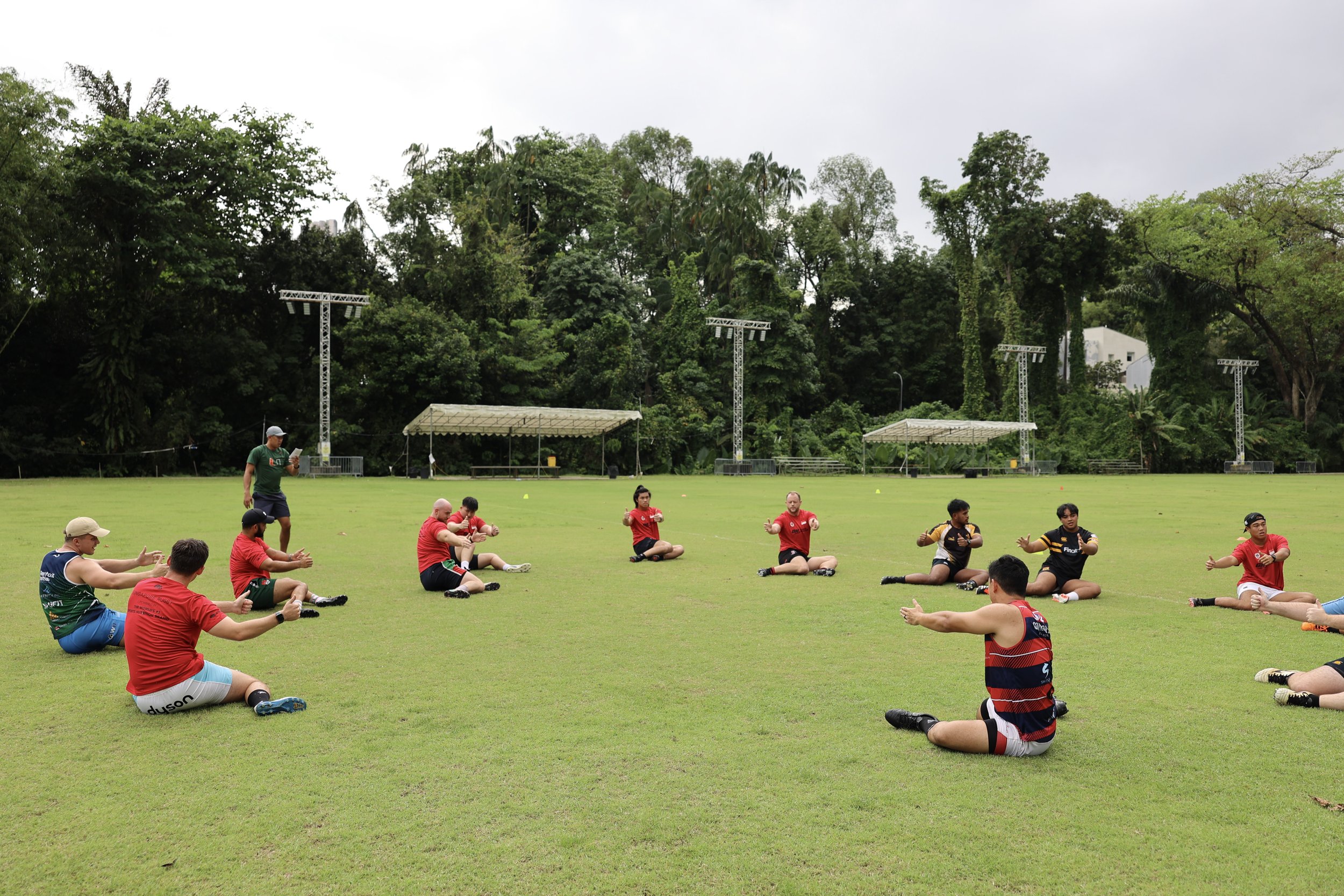
Training in Singapore's climate introduces specific physiological challenges that athletes must account for in their development programmes.
Heat acclimatisation. The body adapts to exercising in heat over approximately 10 to 14 days of consistent heat exposure. Adaptations include increased plasma volume, earlier and greater sweat rate, reduced sweat sodium concentration, and lower exercising heart rate at equivalent intensities. Athletes training in Singapore year-round are generally well acclimatised. Those returning from extended periods in cooler climates may need to build heat exposure gradually.
Sweat rate and electrolyte loss. Singapore's heat and humidity substantially increase sweat rate during training. High sweat rates mean greater fluid loss and greater electrolyte loss, particularly sodium. Athletes training outdoors or in poorly ventilated environments should monitor hydration more carefully and consider electrolyte supplementation during longer or higher-intensity sessions.
Modified intensity prescription. Training intensity targets based on heart rate or perceived effort are climate-dependent. On hot, humid days, the same pace or power output requires a meaningfully higher heart rate than in cooler conditions. Athletes should adjust targets accordingly rather than pushing through a heart rate that reflects heat stress rather than training intensity.
Prioritise recovery in the heat. Heat adds physiological stress on top of training stress. Recovery demands, including sleep, hydration, and caloric intake, are elevated when training in challenging thermal conditions.
What Does Long-Term Athletic Development Look Like?
The concept of long-term athletic development (LTAD) recognises that athletic potential unfolds over years and decades, not weeks. The athletes who reach their physical ceiling are not necessarily the ones who trained hardest in their twenties. They are the ones who built a solid foundation, managed their bodies intelligently, stayed injury-free, and continued to develop when others broke down or burned out.
At SCA, every athlete development programme is designed with this long-term view in mind. This means:
Foundation first. Movement quality, postural stability, and fundamental strength patterns are established before sport-specific loading is progressively added. Cutting corners on the foundation produces short-term gains and long-term limitations.
Respecting phases of development. A 22-year-old building an athletic base requires a different approach from a 35-year-old managing cumulative load and recovery. Programming evolves with the athlete across the training career.
Managing the tension between performance and longevity. In competitive sport, there is always pressure to train more, push harder, and return faster from injury. The SCA approach is to maximise the development that is sustainable, rather than the development that burns brightest in the short term but leaves the athlete compromised later.
Keeping the athlete training. The single most important variable in long-term athletic development is consistency. Consistent, moderate, well-managed training over years produces better outcomes than irregular periods of extreme effort separated by injury and recovery. Keeping athletes healthy and on the field is the highest-value intervention we can offer.
Three Things Athletes Can Start Doing Right Now
You do not need to wait for a consultation to begin improving your athletic foundation. These three actions will make a meaningful difference immediately.
1. Audit your current programme structure. Does your programme have a clear periodisation? Is there progressive overload built in? Does it address the specific physical demands of your sport, or is it a general fitness programme relabelled for athletes? If you cannot answer yes to all three questions, your programme is not fully serving your development. A conversation with our team can identify exactly where the gaps are.
2. Schedule a movement and strength assessment. An assessment at SCA will identify the asymmetries, movement dysfunctions, and physical weaknesses that are currently limiting your performance and increasing your injury risk. Many athletes are surprised by what they find. The assessment is not a test to pass or fail. It is data that makes your programme better.
3. Audit your recovery before adding more training. Before increasing training volume or intensity, honestly evaluate whether your recovery is adequate. Are you sleeping seven to nine hours consistently? Are you eating enough to support your training load? Is your daily stress load leaving room for physiological recovery? If the answer to any of these is no, adding more training stress on top of inadequate recovery produces diminishing returns and increasing injury risk.
When to See a Sports Physiotherapist
A sports physiotherapist should be a standing member of your athletic support team, not an emergency contact you use when things fall apart. See our physiotherapy team if you are experiencing any of the following:
Pain or discomfort during training that has persisted for more than two weeks without improvement
Recurring injuries in the same anatomical area across multiple training blocks or seasons
A significant asymmetry in strength, mobility, or movement quality between your left and right side
Return to sport following injury without a structured, professionally supervised progression
Performance plateaus that do not respond to changes in training load, structure, or recovery
A pattern of frequent illness, fatigue, or poor recovery that suggests your body is under chronic stress
Any acute injury sustained during training or competition
The earlier a problem is assessed, the faster and more completely it resolves. Do not wait.
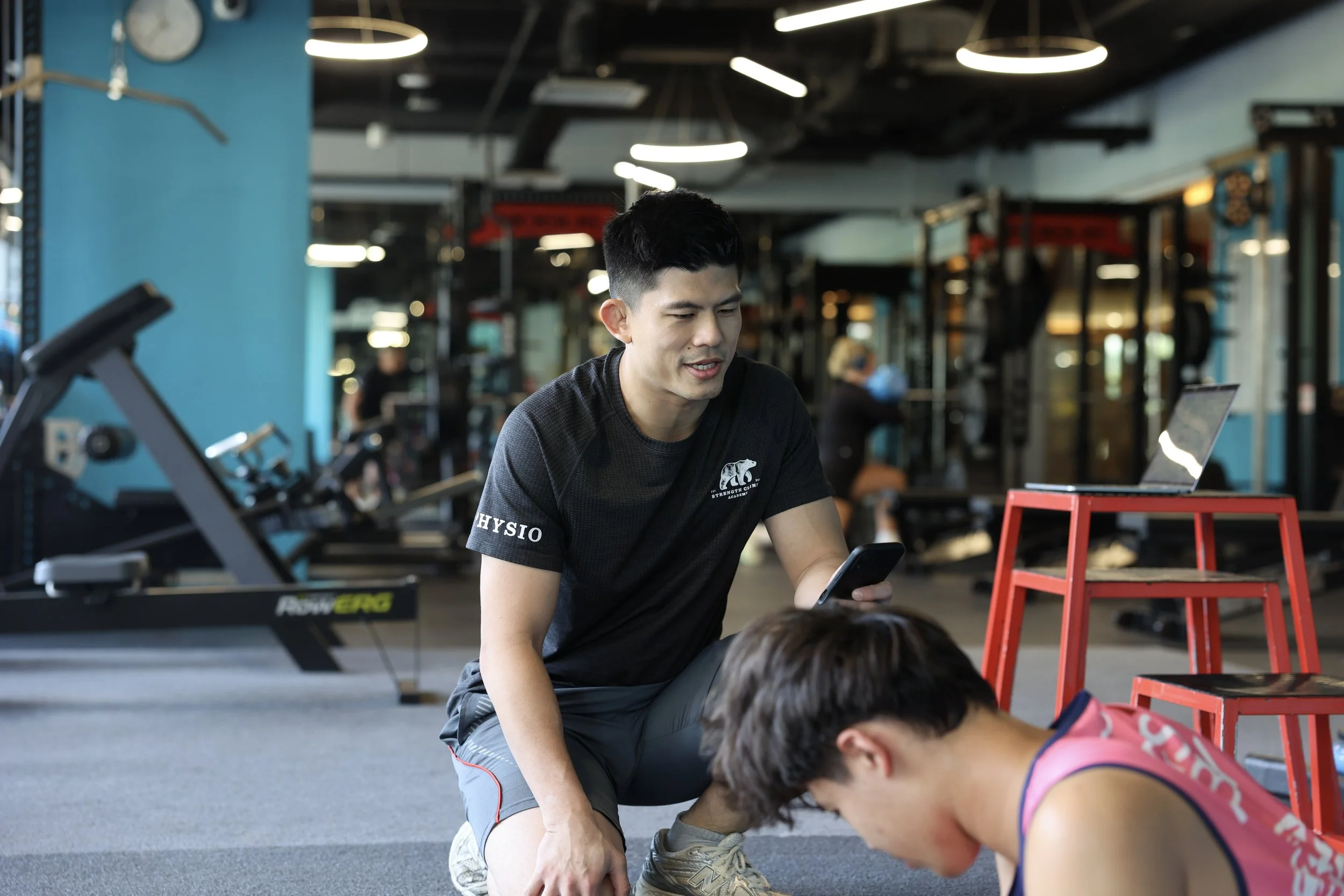
How Strength Clinic Academy Supports Athletic Development in Singapore
Strength Clinic Academy is built around the understanding that high performance and long-term physical health are not competing goals. They require the same things: precision, structure, a thorough understanding of the body, and a team that integrates clinical and performance expertise under one roof.
Every athlete who comes to SCA begins with a thorough assessment. From that foundation, physiotherapy, strength and conditioning, metabolic screening, and nutritional guidance work together as one coordinated system, not as isolated services you have to locate, coordinate, and stitch together yourself.
We work with athletes across rugby, football, netball, running, HYROX, and a range of other sports, at both recreational and competitive levels. What they share is a commitment to doing things properly, a standard for their own performance, and an understanding that investing in their physical development is the most reliable path to achieving their goals.
Our clinics are located at two addresses in Singapore. OUE Downtown Gallery serves athletes based in or near the CBD and surrounding areas. COMO Orchard serves athletes across the Orchard and central Singapore corridor. Both offer the same thorough, personalised approach to athlete development, with the same integrated team behind every programme.
Ready to Build the Athlete You Want to Be?
Whether you are preparing for a season, returning from injury, targeting a race or competition, or simply want to perform at a higher level for longer, there is a clear, structured path forward at Strength Clinic Academy.
Our team of physiotherapists and strength and conditioning specialists work with athletes across Singapore every day. We know what it takes to build bodies that perform, recover, and endure.
The best athletes are not the ones who train the hardest. They are the ones who train the most intelligently, for the longest.
→ Book your athlete development assessment at OUE Downtown.